

Dyno tuning is a crucial process for maximizing the performance of a vehicle, focusing on optimizing the engine’s horsepower and efficiency. By utilizing a dynamometer, which measures the engine’s output, enthusiasts and professionals can gain insights into how their vehicle performs under various conditions. This testing phase is essential for identifying areas that require adjustments to the fuel mixture, ignition timing, and other critical parameters.
During the tuning process, technicians carefully analyze the data collected during testing to make informed decisions that influence the vehicle’s overall performance. The goal is to achieve an ideal balance, enhancing horsepower without sacrificing reliability or drivability. Understanding dyno tuning not only allows for better performance but also helps car enthusiasts appreciate the complexities involved in modifying and fine-tuning their vehicles.
Investing time and resources into proper dyno tuning means ensuring that the vehicle operates at its full potential. In competitive motorsports or recreational driving, this can make a significant difference. Ultimately, dyno tuning serves as a pathway to unlocking the true capabilities of an engine while maintaining its longevity and efficiency.
How Dyno Tuning Influences Engine Performance
Dyno tuning is an essential process that ensures an engine operates at its optimal potential. By utilizing a dynamometer, mechanics can analyze various engine parameters, making adjustments that significantly influence overall performance. The primary goal of this tuning process is to maximize horsepower and torque while ensuring engine reliability.
During dyno tuning, the engine is subjected to various loads and RPM ranges, allowing technicians to gather precise data on how it performs under different conditions. This data helps in identifying areas where improvements can be made, such as air-fuel mixtures, ignition timing, and boost levels. By meticulously adjusting these factors, the tuning process can lead to substantial gains in horsepower.
One of the critical aspects of dyno tuning is its ability to tailor the engine’s output specifically to the driver’s needs. Whether it’s for daily driving, racing, or off-roading, proper tuning can enhance throttle response and responsiveness, elevating the overall driving experience. Additionally, dyno tuning can improve fuel efficiency by optimizing combustion, translating to better mileage without sacrificing power.
In summary, the influence of dyno tuning on engine performance cannot be overstated. By providing precise adjustments based on real-time data, dyno tuning plays a pivotal role in achieving increased horsepower and enhanced engine dynamics, ensuring a vehicle runs smoothly and efficiently.
Comparing Different Types of Dyno Testing Methods
Dyno testing methods are vital for assessing the performance and tuning of vehicles, particularly in terms of horsepower and torque. Understanding the differences between these methods can significantly impact tuning outcomes.
There are three primary types of dyno testing methods used in the automotive industry:
- Engine Dyno:
This method tests the engine outside of the vehicle. It provides precise measurements of horsepower and torque, allowing for detailed tuning of the engine alone.
- Chassis Dyno:
Conducted with the vehicle on rollers, the chassis dyno measures the power transferred to the wheels. It accounts for driveline losses and gives a more realistic view of a vehicle’s performance.
- Load Dyno:
The load dyno applies a controlled load on the engine or wheels during testing. This method is particularly useful for simulating real-world conditions, offering insights into how a vehicle will perform under various loads.
Each method has its advantages and disadvantages:
- Engine Dyno:
- Pros: Isolates engine performance, allows for tuning without vehicle variables.
- Cons: Does not account for driveline losses and vehicle dynamics.
- Chassis Dyno:
- Pros: Reflects real-world performance, easier for tuning adjustments.
- Cons: May show lower horsepower due to losses in the drivetrain.
- Load Dyno:
- Pros: Simulates driving conditions, great for performance testing under load.
- Cons: More complex setup, may require additional equipment to accurately replicate conditions.
Choosing the right dyno testing method depends on the specific goals of tuning and the type of performance data desired. Understanding the differences allows for more effective tuning and ultimately better overall performance.
Key Metrics Measured During Dyno Tuning Sessions
During a dyno tuning session, several critical metrics are evaluated to optimize the performance of a vehicle. These measurements are essential for understanding how tuning adjustments affect horsepower and overall engine efficiency.
Wheel Horsepower (WHP) is one of the primary metrics measured on a dynamometer. It indicates the actual power delivered to the wheels, providing a realistic assessment of a vehicle’s performance. Tuning adjustments aim to increase WHP by optimizing fuel delivery, ignition timing, and air-fuel mixture, ensuring that the engine operates at its peak potential.
Torque is another vital metric measured during dyno sessions. This measurement reflects the rotational force produced by the engine and is critical for understanding how the vehicle will perform in real-world driving conditions. The relationship between horsepower and torque is essential for tuning, as both metrics can significantly influence acceleration and overall drivability.
Air-Fuel Ratio (AFR) plays a crucial role in dyno tuning, as it directly impacts engine performance and emissions. Accurate measurements of AFR help tuners adjust the fuel injection system to achieve an optimal mixture, maximizing efficiency and power output. A lean or rich mixture can lead to performance issues or damage to engine components.
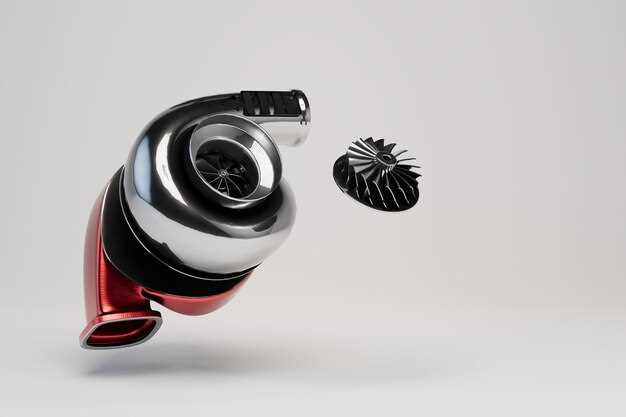
Boost Pressure is particularly relevant for turbocharged or supercharged vehicles. Monitoring boost levels during tuning ensures that the forced induction system operates within safe limits while maximizing power output. Tuning adjustments might include modifying wastegate settings or adjusting the fuel maps to accommodate increased boost levels.
Ignition Timing is another critical parameter assessed during dyno tuning. Proper timing adjustments can improve horsepower and torque, and enhance engine responsiveness. Tuners analyze how changes in timing affect engine performance across different RPM ranges to achieve the best results.
In summary, dyno tuning sessions provide valuable insights through the measurement of key metrics such as wheel horsepower, torque, air-fuel ratio, boost pressure, and ignition timing. Understanding these metrics is essential for effectively tuning a vehicle to achieve optimal performance.
Common Modifications That Benefit from Dyno Tuning
Dyno tuning is a critical process that enhances the performance of modified vehicles. Several common modifications can significantly benefit from this tuning to maximize horsepower and overall efficiency.
One of the most popular modifications is the installation of aftermarket exhaust systems. These systems improve airflow, reducing back pressure and allowing the engine to breathe better. Dyno tuning adjusts the air-fuel mixture to optimize combustion, resulting in increased horsepower and torque.
Another significant modification is the upgrade of the intake system. High-performance air intakes enhance airflow into the engine, which can lead to substantial gains in power. By using a dyno, tuners can calibrate the engine management system to ensure that the engine runs efficiently with the new intake, improving throttle response and horsepower.
Turbocharger and supercharger installations also greatly benefit from dyno tuning. These forced induction systems increase the amount of air entering the engine, directly boosting power. A precise tune is necessary to prevent lean conditions, which can cause engine damage. Tuning on a dyno allows for safe adjustment of boost levels and fuel maps, ensuring reliable and potent performance improvements.
Fuel system upgrades, including high-flow fuel pumps and larger injectors, are beneficial when increasing engine output. Dyno tuning allows for the adjustment of fuel delivery parameters, ensuring the engine receives the proper amount of fuel for the additional air being introduced. This balance is essential for achieving maximum horsepower without compromising engine safety.
Additionally, reprogramming the engine control unit (ECU) after modifications can yield significant benefits. Custom tunes can be crafted based on dyno results, tailoring ignition timing, fuel maps, and other parameters to the specific modifications made to the vehicle. This individualized tuning process ensures optimal performance for each unique setup.
Finally, suspension modifications, such as upgrading springs and shocks, can indirectly benefit from dyno tuning. While these changes do not alter engine performance directly, they enhance handling and stability, allowing drivers to utilize the additional horsepower effectively. A well-tuned vehicle maximizes acceleration and cornering capabilities, making dyno tuning a crucial part of the overall performance upgrade process.
Analyzing Results: Interpreting Dyno Graphs and Data
Understanding dyno graphs is essential for effectively interpreting the results of your tuning session. A dyno graph typically displays horsepower and torque curves across a range of engine RPMs, providing valuable insights into engine performance characteristics. By analyzing this data, tuners can make informed decisions about further adjustments, ensuring optimal performance.
The main components of a dyno graph include the horsepower curve, the torque curve, and the RPM axis. Horsepower is usually represented by a line that rises and peaks, while torque generally shows a peak at lower RPMs before tapering off. Here’s how to interpret these components:
| Parameter | Importance |
|---|---|
| Horsepower Peak | Indicates the maximum power output of the engine. A higher peak generally signifies a more powerful engine. |
| Torque Peak | Shows the engine’s ability to do work. Higher torque at lower RPMs can improve acceleration and drivability. |
| Power Band | The range of RPMs where the engine produces usable power. A broad power band allows for better performance across various driving conditions. |
| Tuning Adjustments | Graph shapes can help identify areas needing tuning. A flat torque curve indicates consistent performance, while a jagged one may require further tuning. |
In addition to understanding the graphical representation, it’s crucial to compare results from different tuning sessions. Look for improvements in peak horsepower and torque, as well as changes in the power band. Consistent results across multiple runs help validate the tuning adjustments made.
Lastly, consider external factors that may affect dyno results, such as weather conditions and fuel quality. Always ensure controlled environments for accurate readings, and take into account the potential impact of these variables on your data interpretation.
Maintaining Your Vehicle Post-Dyno Tuning for Optimal Performance
After completing the dyno tuning process, it is crucial to implement a maintenance routine that ensures your vehicle continues to perform at its best. Proper care not only helps maintain the horsepower gains achieved through tuning but also enhances the overall reliability of your car. Here are some essential steps to consider:
- Regular Oil Changes: Frequent oil changes using high-quality oil help lubricate engine components efficiently, reducing friction and wear.
- Monitor Fluid Levels: Regularly check engine coolant, transmission fluid, and brake fluid to ensure everything is within appropriate ranges.
- Inspect Air Filters: Clean or replace air filters periodically to guarantee optimal airflow to the engine, which is critical for maintaining performance.
- Check Spark Plugs: Spark plugs should be inspected and replaced as necessary to ensure proper combustion and engine efficiency.
In addition to these routine checks, it’s advisable to conduct performance testing after a set interval, especially after any significant mileage. This testing will help ascertain whether the tuning remains effective and identify any performance issues that may have arisen.
- Conduct a Visual Inspection: Look for any signs of leaks, damage, or unusual wear on engine components.
- Track Performance Metrics: Monitor horsepower and torque via another dyno session, ensuring the tuning remains aligned with your performance goals.
- Adjust Driving Habits: Adopt driving habits that complement your tuning setup, such as smooth acceleration and avoiding excessive revs.
Finally, always consult with a professional tuner or mechanic for advice on your specific vehicle and tuning setup. Proper maintenance combined with regular testing will help you enjoy the optimal performance that dyno tuning can provide over the long term.


