

The interaction between tire compounds and track conditions plays a pivotal role in motorsports, influencing not only vehicle performance but also race outcomes. Each tire compound is specifically designed to operate optimally under certain temperature ranges, affecting grip levels, wear rates, and overall handling characteristics on the track. Understanding how these compounds react to varying track temperatures is crucial for teams seeking to enhance their competitive edge.
As the temperature of a race track fluctuates due to environmental factors and tire usage, the performance of the tire can change dramatically. Softer compounds tend to provide better traction at elevated temperatures, while harder compounds may excel in cooler conditions. This relationship necessitates a strategic approach to tire selection and race strategy, as teams must anticipate track temperature changes throughout the event.
Moreover, the type of compound used can significantly influence the thermal dynamics of the track surface itself. As tires grip the asphalt, they generate heat, leading to increased track temperatures that can, in turn, alter tire performance. A comprehensive understanding of this cycle is vital for teams aiming to optimize their vehicle setups and maintain consistent lap times against evolving track conditions.
Understanding Different Tire Compounds and Their Properties
Tire compounds play a significant role in determining the performance of a vehicle on the track. Each compound is engineered with unique properties that affect various factors such as grip, durability, and heat resistance. Understanding these differences is crucial for optimizing performance based on track conditions.
Different tire compounds can be categorized based on their intended use and performance characteristics:
- Soft Compounds:
- Designed for maximum grip on the track.
- Provide superior handling and cornering capabilities.
- Wear out faster under high temperatures and aggressive driving styles.
- Medium Compounds:
- Slightly harder than soft compounds, offering a balance between grip and durability.
- Suitable for a variety of track conditions.
- Good performance in both dry and wet conditions.
- Hard Compounds:
- Engineered for durability and longevity.
- Less grip compared to soft and medium compounds.
- Ideal for tracks where tire wear is a critical factor.
The properties of these compounds influence how tires interact with the track surface:
- Grip: The level of adhesion a tire has on the track affects acceleration and braking efficiency.
- Heat Generation: Different compounds generate varying amounts of heat, which can enhance or diminish grip.
- Degradation: Track conditions and driving style impact how quickly a tire compound wears out, influencing pit strategies.
Understanding these properties allows teams to select the appropriate tire compound for each race or session, maximizing performance based on current track temperature and conditions.
How Track Temperature Influences Tire Performance
The performance of a tire is significantly influenced by the temperature of the track surface. Various tire compounds are designed to operate optimally within specific temperature ranges. When the track temperature is too low, the tire may not reach the necessary operating temperature, resulting in reduced grip and increased wear. Conversely, excessively high track temperatures can lead to overheating of the tire, causing degradation of the compound and a loss of performance.
Each tire compound responds differently to temperature variations. Softer compounds tend to provide better grip under warmer conditions due to increased flexibility, allowing the tire to conform better to the track surface. However, they also wear out more quickly when exposed to high temperatures for prolonged periods. Harder compounds, on the other hand, can withstand higher temperatures without excessive wear but may struggle to provide the same level of grip in cooler conditions.
In motorsport, teams closely monitor track temperatures to select the appropriate tire compound and strategic pressure settings. A proper alignment of tire compound choice and track temperature can enhance lap times and overall vehicle performance. Furthermore, track temperature can fluctuate throughout a race, necessitating in-race adjustments to maintain optimal tire performance.
Understanding how track temperature influences tire behavior is crucial for maximizing efficiency and effectiveness. This relationship impacts not only grip levels but also the longevity of the tires throughout a racing event. Ultimately, achieving the right balance between tire compound and track temperature is key to achieving competitive performance on the track.
The Relationship Between Tire Compound Selection and Grip Levels
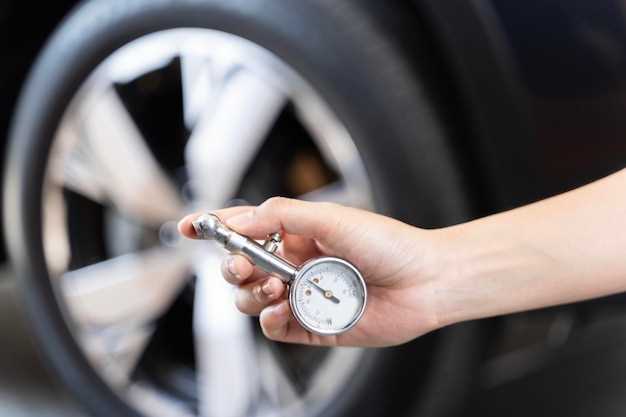
Tire compounds play a crucial role in determining the grip levels experienced on a given track. Different compounds are formulated with varying levels of hardness and elasticity, impacting the amount of surface area contact between the tire and the track. Soft compounds generally provide better grip due to their increased flexibility, allowing for greater conformity to the surface profile, but they also wear out more quickly. Conversely, harder compounds tend to have a longer lifespan but sacrifice some grip, especially in cooler track conditions.
The selection of tire compound must be strategically aligned with track temperature, as the optimal performance of any tire is highly dependent on the thermal conditions of the surface. In higher temperatures, softer compounds can reach their operating window more quickly, delivering superior grip. However, if the track becomes too hot, even soft compounds may deteriorate, leading to decreased performance and reduced grip levels.
Moreover, the characteristics of the track itself, such as its surface roughness and level of rubberization from previous races, also influence the choice of tire compound. A well-rubbered track can enhance grip but may also create a requirement for a different compound to adapt to these conditions effectively. Therefore, understanding the interplay between tire compound selection and the resulting grip levels is essential for optimizing race performance and ensuring tire longevity.
In summary, the relationship between tire compound selection and grip levels is multifaceted, requiring careful consideration of both the tire’s physical properties and the environmental conditions present on the track. Teams must analyze these factors to make informed decisions that ultimately influence their competitiveness on the circuit.
Measuring Track Temperature: Tools and Methods

Accurate measurement of track temperature is essential for understanding how different tire compounds perform and how they influence grip on the circuit. Several tools and methods are used to assess track temperature effectively.
Infrared Thermometers are commonly used tools due to their non-contact measurement capability. These devices allow teams to quickly gauge the surface temperature of the track at various locations, ensuring that data collection is efficient during practice sessions or races. The readings provide immediate insights into how warm the track is, which directly affects tire performance.
Thermocouples offer another approach, especially for more detailed analyses. These devices involve physical contact with the track surface, providing precise temperature readings over time. By placing thermocouples at strategic points, engineers can track temperature variations as conditions change throughout the day, improving their understanding of how different tire compounds react under specific circumstances.
Data Loggers are often used in conjunction with thermocouples to record temperature data continuously. This enables teams to analyze trends and patterns, allowing for strategic adjustments to tire selection based on temperature fluctuations. By understanding the correlation between track temperature and tire compound grip, teams can optimize performance during races.
Infrared Cameras add another layer of analysis. These devices capture thermal images of the track, providing a comprehensive view of temperature distribution across the surface. This method helps teams visualize hot and cold spots, offering insights into track conditions that can significantly influence tire behavior and grip levels.
Combining these tools with effective data analysis enables race teams to make informed decisions regarding tire strategies. Understanding the impact of track temperature on tire compounds ultimately leads to enhanced grip and overall performance on the racing circuit.
Strategies for Choosing the Right Tire Compound for Specific Track Conditions
Selecting the appropriate tire compound is crucial for maximizing grip and performance on the track. Different compounds exhibit unique characteristics that respond variably to track conditions, temperature, and surface roughness. Understanding these elements can significantly enhance a driver’s performance.
There are several strategies for choosing the right tire compound tailored to specific track conditions:
| Track Condition | Recommended Tire Compound | Key Considerations |
|---|---|---|
| Dry Surface | Soft Compound | Enhances grip and traction, ideal for quick laps but may wear out faster. |
| Wet Conditions | Intermediate Compound | Offers a balance between water dispersion and grip. Look for tread patterns designed for wet traction. |
| Cold Track | Hard Compound | Provides durability and stable performance; soft compounds may not reach optimal operating temperature. |
| Hot Track | Medium to Soft Compound | Increased grip can be utilized, but consider potential overheating and tire degradation. |
| Rough Surface | Durable Compound | These tires withstand abrasion and impact; softer compounds may degrade quickly on rough tracks. |
In addition to track conditions, drivers should consider their driving style and race strategy. Some prioritize outright speed, while others focus on tire longevity. Testing various compounds during practice sessions can provide valuable insights into how each behaves under specific conditions.
Ultimately, making informed decisions about tire selection is essential for optimizing performance. Monitoring factors such as lap time changes and tire wear patterns can guide future choices, enhancing competitiveness in various racing scenarios.
Impact of Tire Wear on Track Grip Over Time
Tire wear significantly influences the grip levels on the track throughout a race or driving session. This process can be understood through several critical aspects:
- Surface Degradation: As tires make contact with the track, the rubber compounds gradually break down. This degradation alters the contact patch, reducing overall grip.
- Change in Rubber Composition: Different tire compounds exhibit distinct wear rates. Softer compounds may provide higher initial grip but wear out quicker, leading to inconsistencies in grip as the race progresses.
- Temperature Fluctuations: As tires wear, they generate heat, affecting their performance. Optimal track temperature varies, and worn tires may not maintain the necessary grip if the track cools or heats unexpectedly.
The progression of tire wear can be categorized into three phases:
- Initial Phase: New tires offer the best grip levels, providing strong traction and stability on the track.
- Mid-Life Phase: As the tires accumulate wear, grip may begin to decline. Drivers often experience reduced handling precision and an increase in slide propensity.
- End-Of-Life Phase: Once the tires are significantly worn, grip can drop sharply. This phase is characterized by a lack of feedback and diminished confidence in cornering ability.
Effective race strategies must consider these changes in grip due to tire wear. For optimal performance:
- Monitor tire conditions continuously.
- Adjust driving style to accommodate changes in grip levels.
- Plan pit stops strategically to minimize performance loss from tire wear.
In conclusion, tire wear has a profound effect on track grip that evolves over time. Understanding this impact allows drivers and teams to adapt their strategies effectively, ensuring maximum performance throughout the race.


