

In the high-stakes world of drag racing, every fraction of a second counts, and maximizing vehicle performance is paramount. One of the most effective methods to achieve significant power gains is through the tuning of Nitrous Oxide (N2O) systems. By injecting this gas into the engine, racers can achieve a substantial boost in horsepower, allowing them to outperform competitors on the strip.
Proper tuning of Nitrous Oxide systems is not just about adding a spritz of gas; it involves a comprehensive understanding of how N2O interacts with the engine’s air-fuel mixture, ignition timing, and overall performance. When executed correctly, this tuning can lead to breathtaking accelerations and faster quarter-mile times. However, it requires precision and knowledge to avoid potential issues such as engine knock or damage.
As we delve deeper into the world of drag racing, we will explore various aspects of Nitrous Oxide system tuning, including setup considerations, optimal jetting, and the importance of monitoring engine parameters. By unlocking the full potential of nitrous systems, racers can achieve unparalleled performance and take their racing experience to new heights.
Understanding Nitrous Oxide Fundamentals and Benefits
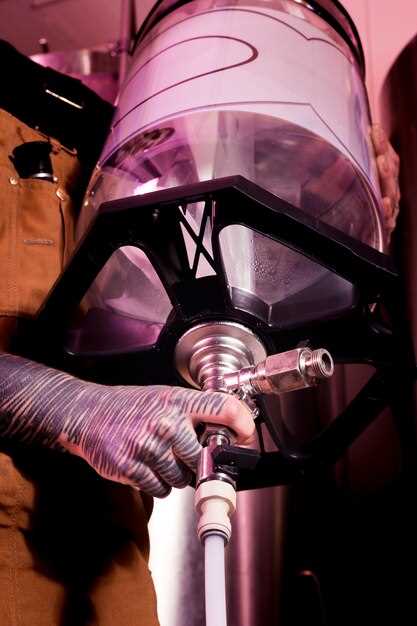
Nitrous oxide (N2O) is a powerful oxidizer often used in drag racing to enhance engine performance. When injected into the combustion chamber, it effectively increases the oxygen content, allowing for a more efficient fuel burn. This boost in oxygen translates directly into increased power output, making nitrous systems a popular choice among racers seeking to maximize their vehicle’s potential.
The fundamental concept behind nitrous oxide is its ability to release additional oxygen when heated. This property allows engine tuners to add more fuel to the mixture, which in turn produces a more potent explosion during combustion. The result is a significant increase in horsepower and torque, especially in high-performance applications where every ounce of power matters.
One of the primary benefits of using nitrous oxide in drag racing is the relatively low cost compared to other performance enhancements such as supercharging or turbocharging. Nitrous systems can be tuned to provide instant power on demand, allowing drivers to achieve rapid acceleration without the need for extensive engine modifications. This characteristic makes nitrous a versatile option for racers who want to achieve maximum performance without breaking the bank.
Proper tuning of nitrous oxide systems is crucial for achieving optimal performance and reliability. Adjustments to fuel delivery, ignition timing, and nitrous flow must be carefully calibrated to prevent engine damage and ensure consistent power gains. Tuning not only maximizes the effectiveness of the nitrous system but also helps maintain engine integrity, allowing for repeated use over multiple races.
In summary, understanding the fundamentals of nitrous oxide and its benefits can significantly impact a drag racer’s performance. The ability to boost power output inexpensively and efficiently through proper tuning makes nitrous oxide an attractive solution for enhancing drag racing capabilities.
Setting Up Your Nitrous System for Maximum Power Delivery
To achieve optimal performance from your nitrous oxide system, careful tuning is essential. The right setup can significantly enhance your vehicle’s power delivery during drag racing scenarios. Here’s how to effectively configure your nitrous system for maximum output.
- Choose the Right Nitrous Kit:
- Identify the type of nitrous kit suitable for your engine specifications.
- Consider whether a wet or dry system aligns with your tuning goals.
- Adjust Fuel Delivery:
- Ensure that your fuel system can handle the added nitrous pressure.
- Upgrade injectors, pumps, and lines if necessary to support peak power levels.
- Optimize Jetting:
- Select the correct nitrous and fuel jets based on your engine’s horsepower goals.
- Experiment with different jet sizes to find the perfect balance for tuning.
- Enhance Spark Timing:
- Adjust ignition timing to accommodate the increased combustion pressure from nitrous.
- Aim for a timing advance that maximizes power without risking detonation.
- Monitor Air-Fuel Ratios (AFR):
- Utilize wideband oxygen sensors to maintain a safe and effective AFR during nitrous activation.
- Afr values should be adjusted when using nitrous to lean out or richen combustion as needed.
- Install Nitrous Controllers:
- Consider using electronic nitrous controllers for precise activation and duration.
- These systems allow for advanced tuning options, including ramp-in features that prevent tire spin.
- Data Logging and Testing:
- Implement data logging tools to assess performance metrics during drag runs.
- Perform consistent track testing to refine your nitrous setup based on real-world data.
By following these guidelines, you can effectively set up your nitrous system to unleash its full power potential. Regular adjustments and fine-tuning will ensure that you are consistently achieving peak performance on the drag strip.
Adjusting Fuel System Parameters for Nitrous Application
When tuning a vehicle for nitrous oxide (N2O) applications, it is crucial to adjust the fuel system parameters to optimize power output and reliability. The introduction of nitrous provides a significant boost in combustion potential, necessitating corresponding modifications to the fuel system to maintain the proper air-fuel ratio.
The primary goal during tuning is to ensure that adequate fuel is delivered in conjunction with the nitrous oxide injection. Insufficient fuel can lead to a lean condition, resulting in engine knock or even catastrophic failure. Therefore, careful adjustments must be made to fuel pressure, injector sizing, and delivery timing.
Below is a table outlining the key parameters to consider when adjusting the fuel system for nitrous applications:
| Parameter | Description |
|---|---|
| Fuel Pressure | Increase fuel pressure to compensate for the added oxygen from nitrous, generally aiming for around 6-8 psi over baseline values. |
| Injector Sizing | Select larger fuel injectors capable of flowing the increased volume required for nitrous applications. A common guideline is to use injectors rated for 20-30% more flow than normally required. |
| Fuel Type | Consider using higher-octane fuels or race fuels to better resist detonation under boosted conditions. |
| Air-Fuel Ratio | Target a richer air-fuel ratio, typically between 11.5:1 to 12.5:1, to ensure adequate fuel supply during nitrous activation. |
| Timing Adjustments | Retard ignition timing slightly when engaging nitrous to prevent knocking; retarding timing by 2-4 degrees is a common practice. |
In summary, properly adjusting fuel system parameters for nitrous applications is essential for maximizing drag racing performance. The balance between fuel delivery and nitrous injection directly influences power output and engine longevity. Continuous monitoring and fine-tuning are vital to achieve optimal results as conditions change. By adhering to the recommended guidelines and making precise adjustments, racers can harness the full potential of nitrous oxide systems effectively.
Timing Adjustments for Optimal Nitrous Performance
When tuning nitrous oxide systems for drag racing, timing adjustments are crucial to maximizing performance and ensuring the engine runs efficiently under boost. The introduction of nitrous increases the amount of oxygen available during combustion, allowing for a more significant fuel burn. However, this necessitates precise timing adjustments to prevent engine damage and to unlock the full power potential.
As nitrous is injected, the combustion process becomes more aggressive. Therefore, it is essential to advance the ignition timing to optimize performance. Standard ignition timing settings may not accommodate the increased pressure and temperature associated with nitrous use. A general guideline is to add 1-2 degrees of timing for every 50 horsepower gained from nitrous, but this can vary based on the engine’s compression ratio and type of fuel used.
Additionally, monitoring the engine’s knock sensor can provide crucial feedback. If knocking is detected, it’s a sign that the ignition timing may need to be retarded slightly to maintain optimal performance without risking engine integrity. The balance between ignition timing and nitrous application is delicate; finding the sweet spot enhances the efficiency of the power increase provided by the nitrous system.
Two-step or launch control systems can also be utilized to improve timing management during drag races. These systems allow racers to pre-set timing parameters for different stages of the race, ensuring that the engine performs optimally from launch through the finish line. Properly adjusted timing maintains boost levels without pre-ignition or detonation, maximizing both power and reliability.
Ultimately, effective timing adjustments when using nitrous oxide are essential for drag racing performance. Continuous testing and tuning will help in achieving the best power output while safeguarding against potential damage, ensuring that racers can hit their targets safely and competitively.
Monitoring Engine Health During Nitrous Use

When tuning a vehicle for enhanced performance with nitrous oxide systems, it is crucial to prioritize engine health. The introduction of nitrous significantly increases the power output by providing a boost to the combustion process. However, this added power can place immense strain on engine components, necessitating careful monitoring to prevent catastrophic failures.
One of the primary strategies for safeguarding engine integrity during nitrous use is the implementation of advanced monitoring systems. These systems typically include an array of sensors that track various parameters such as air-fuel ratio, egress temperature, and engine RPM. By closely observing these metrics, drivers and tuners can make informed adjustments that enhance performance while ensuring that the engine operates within safe limits.
Maintaining the correct air-fuel ratio is vital when utilizing nitrous. Too much nitrous can lead to a lean mixture, causing severe detonation. It is essential to regularly check and adjust fuel delivery, particularly when introducing significant amounts of nitrous oxide. Additionally, exhaust gas temperature (EGT) readings should be monitored closely; elevated EGTs can indicate a potential overheating situation, prompting immediate action to protect the engine.
Furthermore, utilizing a quality engine management system that can log data during runs provides invaluable feedback. This allows for continuous tuning, ensuring that performance is optimized without compromising reliability. Regular inspections of critical components–such as spark plugs, cylinder compression, and the condition of the nitrous system itself–will help identify issues before they escalate.
In conclusion, while nitrous oxide can deliver substantial boosts in power, monitoring engine health is essential to ensure that these gains do not come at the expense of engine reliability. With the right tuning techniques and vigilance regarding engine parameters, drivers can enjoy the benefits of nitrous while minimizing risks.
Tuning Tips for Specific Drag Racing Conditions
Tuning your nitrous oxide system effectively can greatly enhance your performance in drag racing, especially under varying track and weather conditions. Understanding how to adjust your system ensures maximum boost and power delivery to optimize your runs.
1. Track Temperature: Warmer track temperatures can lead to better grip, but they may also affect your engine’s performance. Consider slightly richening the fuel mixture when temperatures rise to prevent detonation and ensure stable power. A cooler track may allow you to lean out the mixture a bit for added power.
2. Altitude Adjustment: At higher altitudes, air density decreases, reducing oxygen availability. To counteract this, increase your nitrous flow to compensate for the lack of available air and maintain your desired boost. Fine-tuning your fuel ratios will also be crucial in these conditions to prevent a lean condition.
3. Humidity Factors: High humidity can enhance engine performance due to increased air mass. If humidity is high, consider adjusting your nitrous setup to allow for additional boost. However, if conditions are excessively humid, be cautious about potential spark issues and ensure your ignition timing is set to prevent misfires.
4. Tire Selection: The type of tires you use can greatly affect traction. Adjust your nitrous setup to provide a gentle power curve if you’re using slicks, ensuring you don’t overwhelm the tires and cause wheel spin. Conversely, if running street tires, a more aggressive setup may be necessary, but ensure you’re still able to maximize grip.
5. Launch Control Settings: Fine-tune your launch control based on track conditions. Lower launch RPMs can help prevent wheel spin on a slippery track. Increasing power at launch can be effective on a sticky surface, allowing you to utilize the full potential of your nitrous system right off the line.
By making these adjustments tailored to specific drag racing conditions, you can significantly enhance your vehicle’s performance and achieve better results on the track. Regularly monitor performance and be prepared to adapt your tuning strategies accordingly.


