
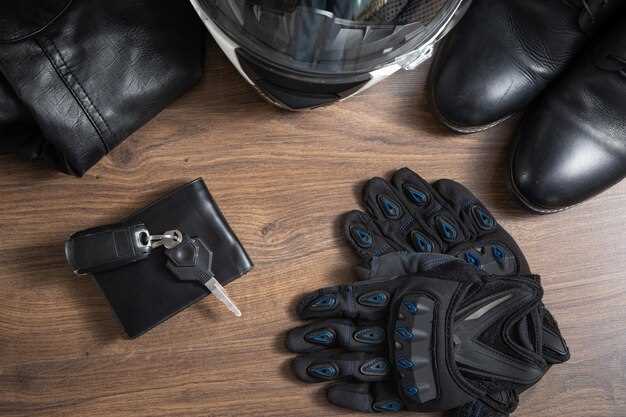
In the world of motorcycle racing, safety should always be the top priority for every racer. The excitement of speed and the thrill of competition are undeniable, but they come with inherent risks. To minimize these dangers, having the right gear is essential. Choosing the right equipment can mean the difference between a minor incident and a life-altering accident on the track.
Investing in quality motorcycle safety gear not only protects you during races but also enhances your overall performance. Durable helmets, reinforced suits, and protective gloves are just a few examples of gear that every racer should consider. Understanding the importance of each component and how it contributes to your safety can help you make informed choices when preparing for a race.
In this article, we will explore the must-have motorcycle safety gear necessary for every racer. From head to toe, we’ll discuss the essential items that not only adhere to safety standards but also provide comfort and functionality on the track. Prepare to take your racing experience to the next level by prioritizing safety with the right gear.
Choosing the Right Helmet for Optimal Protection
When it comes to motorcycle racing, selecting the right helmet is crucial for ensuring safety and performance. Helmets not only protect your head during impacts but also enhance overall racing experience. Here are key factors to consider when choosing the ideal racing helmet.
Firstly, ensure that the helmet meets the required safety standards. Look for certifications such as DOT, ECE, or Snell, which indicate that the gear has undergone rigorous testing. A certified helmet assures you that it can withstand significant forces and protect your head effectively in case of an accident.
Fit is another essential aspect. A helmet should fit snugly without being uncomfortable. It should not move around when you shake your head, as a loose helmet can compromise safety. Try on different sizes and shapes, as helmet designs vary significantly between manufacturers. Remember that a good fit will enhance your concentration and performance on the track.
Weight and materials are also important. Lighter helmets reduce fatigue, allowing for longer rides and improved focus on racing. Common materials include polycarbonate, fiberglass, and carbon fiber. While carbon fiber helmets are more expensive, they offer superior strength and reduced weight, making them the preferred choice for many racers.
Ventilation is another key feature to consider. A well-ventilated helmet helps regulate temperature and keeps the rider comfortable during intense races. Look for models with adjustable vents that allow you to control airflow based on your preferences and conditions. Proper ventilation can prevent fatigue and enhance your overall racing experience.
Finally, don’t overlook the importance of visor technology. Opt for a helmet with a clear, anti-fog visor that offers a wide field of vision. Some helmets come with photochromic visors that adjust to light changes, providing optimal visibility in various conditions. A clear view is vital for making quick decisions on the track and ensuring your safety.
Choosing the right helmet is a fundamental step in maximizing safety and performance while racing. By considering safety certifications, fit, weight, materials, ventilation, and visor features, you can select a helmet that meets your needs and helps you stay protected on the road.
Importance of Impact-Resistant Jackets and their Features
When it comes to motorcycle racing, safety is paramount. One of the essential components of a racer’s gear is an impact-resistant jacket. This type of jacket not only provides comfort and style but also plays a crucial role in protecting the rider from injuries during high-speed incidents.
Impact-resistant jackets are specifically designed to absorb and disperse energy from impacts, significantly reducing the risk of serious injuries. Here are some key features that make these jackets indispensable for anyone involved in motorcycle racing:
- Protective Materials: Most impact-resistant jackets are constructed using high-performance textiles that can withstand abrasions. Materials like Kevlar and Cordura offer excellent durability and resistance to tearing.
- Integrated Armor: Many jackets come equipped with protective padding or armor in critical areas such as shoulders, elbows, and back. This armor is designed to absorb shock and protect the rider from blunt force trauma.
- Ergonomic Design: These jackets are tailored to fit comfortably while riding. The design allows for a full range of motion, ensuring that racers can maneuver their bikes without restriction.
- Ventilation: Racing can be an intense activity, and appropriate airflow is essential for maintaining comfort. Impact-resistant jackets often include mesh panels or ventilation zippers that enhance breathability.
- Weather Resistance: Many jackets are made to withstand various weather conditions. Features such as waterproofing or thermal linings help keep riders dry and warm, enhancing their performance on the track.
In conclusion, the importance of impact-resistant jackets in motorcycle racing cannot be overstated. They offer a combination of protection, comfort, and functionality that is essential for any racer. Investing in a high-quality jacket is a crucial step towards ensuring safety on the track.
How to Select Durable Gloves for Maximum Grip and Safety
Selecting the right gloves is crucial for motorcycle racing enthusiasts, as they play a vital role in ensuring both grip and safety. Durable gloves are essential because they protect your hands from abrasions and impacts while providing excellent tactile feedback. Here are key considerations to keep in mind when choosing the ideal gloves for racing.
First, consider the material. Leather gloves are favored for their durability and resistance to wear, making them excellent for racing. Look for gloves made from high-quality cowhide or kangaroo leather, as they offer both protection and flexibility. Additionally, modern gloves may incorporate synthetic materials such as Kevlar for reinforced areas, enhancing their protective capabilities.
Next, focus on the fit. Gloves should be snug but not overly tight, allowing for maximum dexterity when operating controls. A proper fit ensures that the gloves won’t slip during a race, maintaining your grip on the handlebars. Many brands offer sizing charts, so be sure to measure your hand to find the best match.
Pay attention to the grip features. Textured palms made from rubber or silicone can significantly enhance your ability to hold onto the bike, particularly in wet conditions. Some gloves also have additional grip zones or carbon fiber inserts to improve control and minimize slippage.
Don’t overlook the protection features built into the gloves. Look for gloves with reinforced knuckles, palm sliders, and additional padding in areas that may face impact during racing. These features can help absorb shock and reduce the risk of injuries in case of a fall.
Lastly, consider breathability and weather resistance. Racing gloves that offer ventilation ensure that your hands stay cool during intense rides, while those with waterproof features keep them dry in adverse weather. This balance of comfort and performance is critical for extended racing sessions.
By focusing on these factors–material, fit, grip enhancement, protection, and weather readiness–you can select durable gloves that enhance your safety and performance on the motorcycle track.
Evaluating the Best Riding Pants for Abrasion Resistance
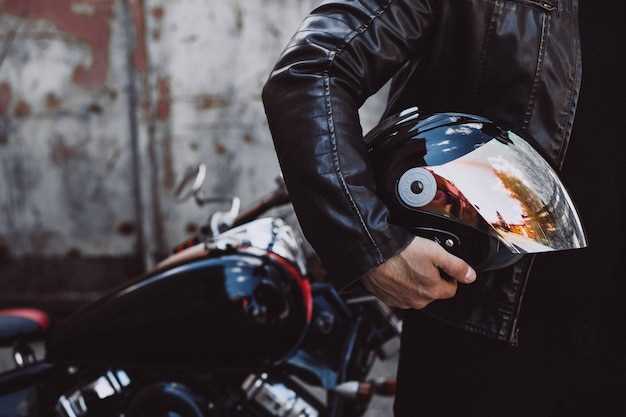
Choosing the right motorcycle gear is essential for safety, and riding pants are a critical component in protecting riders from injuries caused by road rash during crashes. Abrasion resistance is a key feature to consider when evaluating riding pants, as it determines how well the fabric can withstand friction against asphalt.
When assessing riding pants for their abrasion resistance, look for materials specifically designed for impact protection. Commonly used fabrics include Kevlar, Cordura, and textile blends, which offer both durability and flexibility. A proper fit is also vital; pants should not only fit snugly but also allow for comfortable movement during rides.
| Material | Abrasion Resistance Rating | Durability | Comfort |
|---|---|---|---|
| Kevlar | High | Very Durable | Moderate |
| Cordura | High | Very Durable | High |
| Textile Blends | Medium to High | Durable | High |
| Leather | High | Very Durable | Moderate |
Also consider additional features such as reinforced panels at high-impact areas like knees and hips. These reinforcements not only enhance safety but also extend the lifespan of the gear. Ventilation is another aspect to take into account, ensuring comfort in varying weather conditions while maintaining protective qualities.
To summarize, when evaluating riding pants for abrasion resistance, prioritize materials known for their protective qualities, ensure a proper fit, and look for additional safety features. Investing in high-quality motorcycle gear can significantly improve safety on the road, reducing the risk of severe injuries in the event of an accident.
Footwear Considerations: Boots Designed for Racers
When it comes to motorcycle racing, the importance of proper footwear cannot be overstated. Racing boots are specifically engineered to provide the necessary safety and support required during high-speed maneuvers. A good racing boot will not only protect the rider’s feet but also enhance overall performance on the track.
One of the primary features to look for in racing boots is robust construction. Materials like leather and advanced synthetic fabrics offer superior durability and abrasion resistance. Reinforced areas, such as the toe, heel, and ankle, are crucial for impact protection, reducing the risk of serious injuries in case of a crash.
Another essential aspect is comfort. Racing often involves long hours on the bike, so boots should fit snugly without compromising circulation. Look for models that come with adjustable closures and ergonomic designs to allow for a secure yet comfortable fit. Proper ventilation is also important to keep your feet cool and dry under pressure.
It’s vital to consider the sole of the boot, as it plays a significant role in grip and control. A non-slip, oil-resistant sole ensures maximum traction on the pegs, while also offering stability when maneuvering around the track. Furthermore, boots featuring a stiff sole provide essential support for your feet during high-speed racing activities.
Don’t forget about the added features, such as waterproofing for wet conditions and built-in protection for the Achilles tendon and malleolus. Some racing boots even come equipped with sliders or toe caps to enhance protection during falls while also allowing for smooth movement in corners.
In conclusion, the right racing boots are a critical component of motorcycle safety gear. Prioritizing durability, comfort, and protective features will significantly enhance your racing experience while keeping you secure on the track.
The Role of Back Protectors in Motorcycle Safety Gear

Back protectors play a crucial role in enhancing rider safety on motorcycles. These pieces of gear are specifically designed to absorb impact forces during accidents, significantly reducing the risk of spinal injuries. The spine is one of the most vulnerable areas during a crash, making it essential to have adequate protection.
When selecting a back protector, it’s important to consider factors such as impact resistance, weight, and comfort. Modern back protectors are often made with advanced materials that disperse energy effectively, ensuring maximum protection without compromising mobility. This balance is vital for racers who require agility and flexibility on the track.
Many back protectors are compatible with various styles of motorcycle suits and jackets, allowing for a seamless integration into your safety gear. Some models even offer additional features like ventilation systems, promoting airflow and comfort during long rides. Investing in a high-quality back protector is a proactive measure every racer should take to enhance their overall safety on the motorcycle.
In summary, back protectors are an indispensable component of motorcycle safety gear. They provide essential protection for the spine, helping to mitigate the severity of injuries in the event of an accident. Choosing the right back protector can be a life-saving decision for every rider on the road or track.


