

Engaging in off-road adventures can be thrilling, but it also subjects your vehicle to a range of challenging conditions that can lead to wear on critical components. One of the most affected systems during these excursions is the suspension, which is designed to absorb shocks and maintain vehicle stability. However, the extreme terrains and obstacles encountered can cause significant damage that is often not immediately visible.
Post-off-roading inspection is essential to ensure the longevity and performance of your vehicle. Understanding how to check for suspension damage can save you from costly repairs down the line. Signs of wear can manifest in various ways, such as unusual noises, uneven tire wear, or changes in handling. Identifying these issues early allows for timely interventions, helping to maintain the integrity of your vehicle during future off-road exploits.
This article will guide you through the crucial steps of inspecting your suspension system after off-roading. By being diligent and proactive, you can easily spot potential problems and ensure your vehicle remains in optimal condition for the adventures that lie ahead.
Identifying Signs of Suspension Wear
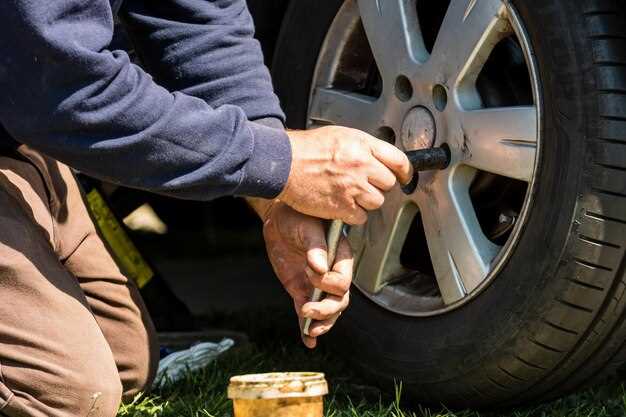
After an exciting off-road adventure, it’s essential to check your vehicle’s suspension system for signs of wear. The suspension is crucial for maintaining vehicle stability, comfort, and handling, especially in rough terrains. Here are some key indicators to help you identify potential suspension issues.
Firstly, pay attention to unusual noises. If you hear clunking or rattling sounds when driving over bumps, it may indicate worn-out components such as shock absorbers or bushings. These noises can be a warning sign that your suspension is not functioning correctly and requires inspection.
Next, observe the handling of your vehicle. If you experience excessive bouncing, swaying, or difficulty maintaining control during off-road driving, your suspension may be losing its effectiveness. This loss of control can compromise your safety, making it crucial to check these symptoms promptly.
Another sign of suspension wear is irregular tire wear patterns. If you notice that your tires are wearing unevenly, it could be due to faulty alignment or suspension components. Inspect your tires for excessive wear on one side, as this can indicate that the suspension system is not distributing weight evenly.
Moreover, examine your vehicle’s stance. If one corner appears lower than the others, it may suggest that a shock absorber is failing or that there is a problem with the spring or bushing. A sagging suspension can lead to poor performance, especially during off-road excursions.
Lastly, check for visible leaks. If you see fluid seeping from the shock absorbers or struts, it is a clear indication that they are losing their effectiveness. These leaks can result in a loss of dampening, leading to a harsh ride and further suspension damage if not addressed.
By being vigilant and identifying these signs of suspension wear after off-roading, you can ensure your vehicle remains safe, comfortable, and reliable for future adventures.
Tools Needed for a Suspension Inspection
When inspecting your vehicle’s suspension after an off-road adventure, having the right tools is essential to effectively check for wear and damage. Here’s a list of tools that will help you perform a thorough inspection:
- Jack and Jack Stands: A reliable jack allows you to lift the vehicle safely, while jack stands provide stable support during the inspection process.
- Torque Wrench: This tool is necessary to check and adjust the tightness of suspension components according to the manufacturer’s specifications.
- Socket Set: A comprehensive socket set will help you remove various bolts and nuts on the suspension system, enabling a more thorough check for any damage.
- Impact Wrench: For quicker disassembly of suspension parts, an impact wrench can save time and effort, especially on stubborn bolts.
- Visual Inspection Tools: A flashlight or inspection mirror is helpful for examining hard-to-see areas of the suspension for wear or damage.
Additionally, consider the following tools to assist in your inspection:
- Pry Bar: This can help assess the play in suspension components, indicating wear or failure.
- Tape Measure: Useful for checking ride height and ensuring suspension components are within recommended specifications.
- Rubber Mallet: To gently tap on parts to check for looseness without causing damage.
Having these tools on hand will enable you to perform a comprehensive suspension inspection, helping to identify any wear or possible issues that may have arisen during your off-road activities.
Step-by-Step Guide to Inspecting Shocks and Struts
Inspecting your vehicle’s shocks and struts after off-road adventures is essential for maintaining optimal suspension performance. This guide provides a structured approach to help you identify wear and potential damage.
Follow these steps to conduct a thorough inspection:
| Step | Description |
|---|---|
| 1. Visual Inspection | Start by visually inspecting the shocks and struts for signs of leaks, rust, or physical damage. Look for any oil residue around the casing, which indicates a potential failure. |
| 2. Check for Dents and Cracks | Examine the shock body and strut housing for dents or cracks. Off-road conditions can cause significant impacts, leading to structural damage. |
| 3. Assess Mounting Points | Inspect the mounting points for any signs of wear or corrosion. Ensure that all brackets and bolts are secure and that there are no broken components. |
| 4. Bounce Test | Perform a bounce test on each corner of the vehicle. Push down firmly on the bumper and let go. The vehicle should rise and settle back into place without excessive bouncing. |
| 5. Listen for Noises | While driving, listen for any unusual noises like clunking or knocking sounds, which may indicate worn or damaged shocks and struts. |
| 6. Look for Uneven Tire Wear | Inspect the tires for uneven wear patterns. This can be a sign of compromised suspension components that may need replacement. |
| 7. Professional Inspection | If any damage is suspected, consider having a professional mechanic perform a more detailed inspection to ensure the safety and reliability of your suspension. |
Following these steps diligently will help you maintain the integrity of your vehicle’s suspension system, ensuring a smoother ride and enhanced control during off-road excursions.
Examining Control Arms and Bushings for Damage
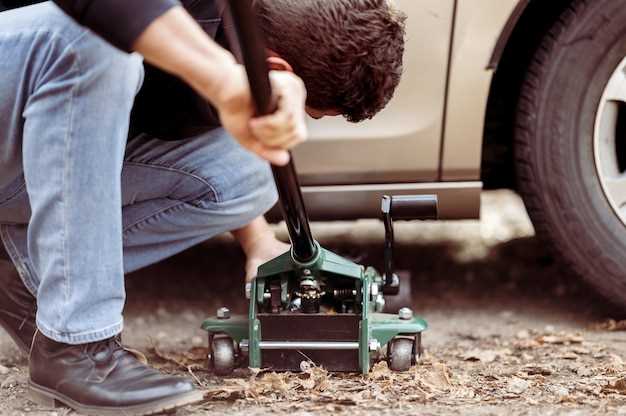
Control arms and bushings are critical components of a vehicle’s suspension system, designed to provide stability and manage the dynamics between the body and wheels. After off-roading, it is essential to check these parts for any signs of wear or damage that could impact vehicle performance.
Begin by inspecting the control arms for any visible signs of bending, cracking, or rust. These elements are subjected to significant stress during off-road excursions, and any deformation can lead to misalignment and handling issues. Look for surface imperfections or excessive wear along the joints, as these can indicate a need for replacement.
The bushings, which act as cushions between the control arms and the vehicle chassis, should also be closely examined. Signs of wear can include cracking, splitting, or a soft and squishy feel, which indicates deterioration. Inspect both the rubber and any mounting points for signs of scoring or unusual movement, which can compromise the effectiveness of the suspension.
When checking these components, it’s also important to assess any noise during movement. Clunking or squeaking sounds can be indicative of worn bushings or rusty control arms. A thorough inspection should also include checking the tightness of bolts and fasteners, as loose components can exacerbate wear and lead to catastrophic failure.
Ultimately, regular checks of control arms and bushings are crucial for maintaining the integrity of the suspension system. Detecting wear early can prevent prolonged damage and ensure better vehicle performance during future off-roading adventures.
Assessing the Condition of Springs and Coilovers
After intense off-road adventures, it is crucial to assess the condition of your vehicle’s suspension system, particularly the springs and coilovers. Over time, these components can experience significant wear due to rough terrain, which may affect their performance and durability.
Start by visually inspecting the springs for any visible signs of damage. Look for cracks, rust, or deformation that may indicate wear or fatigue. Check if the springs are seated properly in their mounts, as misalignment can lead to further issues.
Next, examine the coilovers. Identify any leaks, especially around the shock body and seals, as these can signal internal damage or fluid loss. Additionally, assess the adjustment settings; inconsistencies can indicate underlying problems that need addressing.
Perform a compression test on the coilovers. Push down on the vehicle’s suspension and observe how it rebounds. It should return smoothly and evenly; any stuttering or jerking suggests that the coilovers may be failing.
Lastly, consider the age and mileage on your suspension components. If you frequently engage in off-road activities, it may be worthwhile to replace springs and coilovers periodically, even if they appear visually intact. Regular maintenance and monitoring are essential to ensure optimal performance and safety on rugged terrains.
When to Seek Professional Help for Suspension Repairs
Identifying the right time to seek professional assistance for suspension repairs can be crucial, especially after engaging in off-road activities. Off-roading places significant stress on a vehicle’s suspension system, leading to potential wear and damage that may not be immediately visible.
If you notice any unusual noises, such as clunking or banging sounds when driving over bumps, it’s essential to have your suspension inspected. These sounds may indicate worn components that could compromise the system’s integrity and performance.
Another sign that professional help might be necessary is if your vehicle experiences abnormal handling, such as pulling to one side or excessive swaying while cornering. These issues can suggest that suspension components, like shocks or struts, may be failing and require replacement.
If you observe uneven tire wear, it can also be a signal of suspension problems. Proper alignment and functioning suspension components are vital for even tire wear, and ignoring this issue could lead to further damage.
In cases where you find it challenging to maintain a steady ride height, especially after off-roading, it’s crucial to have specialists examine the springs and other related parts. Any significant sagging or lifting indicates potential wear that needs addressing.
Ultimately, if you have any doubts about the condition of your suspension after off-roading, seeking a professional assessment is always wise. Expert mechanics can accurately diagnose issues and ensure your vehicle is safe and capable of handling future adventures.


