
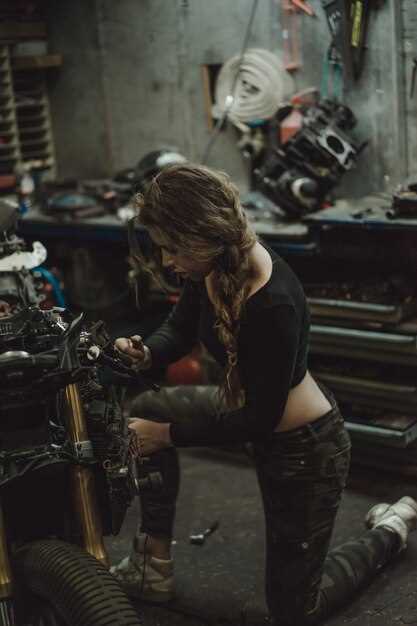
The world of café racers is a thrilling blend of style, performance, and nostalgia. These motorcycles are not just machines; they represent a lifestyle and a culture associated with speed, freedom, and customization. Crafting your own café racer can become an exciting project, especially when you consider the affordable options available for budget-conscious riders.
Creating a café racer on a budget allows you to embrace your creativity while working with limited resources. You don’t need a brand-new motorcycle to achieve that classic café vibe. With some ingenuity and resourcefulness, you can convert an older model into a stunning racer that turns heads on the road. Remember, the essence of a café racer lies in its individuality and the personal touch you bring to the build.
Throughout this article, we will explore essential tips and tricks for assembling your ideal budget-friendly café racer. From selecting the right motorcycle to sourcing affordable parts and accessories, you will learn how to customize your ride without breaking the bank. Get ready to rev up your engines and dive into the world of café racers where passion meets practicality!
Choosing the Right Motorcycle Platform for Your Café Racer
When embarking on the journey to build your own café racer, selecting the right motorcycle platform is crucial. The foundation of your project significantly influences both the aesthetics and performance of the finished bike. Common choices for café racer platforms include older models of British, Italian, and Japanese motorcycles, each offering unique attributes that suit different tastes and styles.
Classic British motorcycles, such as the Triumph Bonneville and BSA Gold Star, are popular due to their iconic looks and strong performance. These bikes often come with a rich history, embodying the spirit of café racing. Their air-cooled engines provide a charming nostalgic sound and a robust platform for modifications. If you’re drawn to timeless designs and an authentic café racer experience, a British motorcycle might be your ideal starting point.
On the other hand, Japanese motorcycles, especially those from Honda, Kawasaki, and Yamaha, are renowned for their reliability and ease of modification. Models like the Honda CB series and the Yamaha XS650 have become the backbone of the custom café racer community. These bikes are typically more budget-friendly and widely available, making them an excellent choice for first-time builders. They offer a plethora of aftermarket parts and modifications options, allowing for extensive personalization.
Italian motorcycles, such as the Moto Guzzi or Ducati, also present an appealing option for those looking to create a unique café racer. While these bikes might be pricier and less accessible, their design and engineering offer distinctive chic aesthetics and a thrilling ride. An Italian café racer can stand out in a crowd, thanks to its exquisite styling and performance pedigree.
Ultimately, the right motorcycle platform for your café racer will depend on your personal style preferences, budget, and mechanical skills. Evaluate how much you are willing to invest in the project, not just financially but also in terms of time and effort. Whether you choose a classic Brit, a reliable Japanese model, or a stylish Italian bike, ensure it aligns with your vision for the perfect café racer.
Essential Tools and Materials for Your Build

Building a budget-friendly café racer requires the right set of tools and materials to ensure quality and precision in your work. A well-equipped workshop will make the process smoother and more enjoyable, allowing you to create a motorcycle that reflects your personal style.
First and foremost, a comprehensive toolkit is essential. A socket set, combination wrenches, and screwdrivers of various sizes will cover most mechanical tasks. Investing in a torque wrench is also wise, as it ensures bolts are tightened to the manufacturer’s specifications, providing safety and reliability on the road.
You will also need a cutting tool, such as an angle grinder or a hacksaw, for modifying frames and components. Ensure that you have a drilling machine for creating custom mounts or adjusting parts. A bench vise can stabilize materials while you work, making it easier to cut, drill, or weld.
Welding equipment is critical if you plan to modify your motorcycle’s frame significantly. A MIG welder is often the best choice for beginners due to its ease of use and versatility. Alternatively, you might consider purchasing pre-made brackets and mounts to simplify the build process.
For materials, start with quality metal stock for frame modifications, and obtain a good-quality seat that fits your design aesthetic. You’ll also need a reliable paint system to finish your motorcycle. Look for durable automotive paints and clear coats to protect your work from the elements.
Don’t forget safety gear, including gloves, goggles, and a well-ventilated mask, especially when working with chemicals or welding. Organization tools like a tool chest and storage bins will help keep your workspace tidy and efficient, allowing you to focus on your café racer build.
By equipping yourself with these essential tools and materials, you can confidently embark on the journey of creating a unique café racer that stands out on the road while staying within budget.
Step-by-Step Guide to Stripping Down the Motorcycle
Turning a standard motorcycle into a budget-friendly café racer involves a careful stripping process. Follow these steps to ensure a successful build.
-
Gather Your Tools
Before you begin, make sure you have the following tools:
- Socket set
- Wrenches
- Screwdrivers (flat and Phillips)
- Hammer
- Pliers
- Torque wrench
- Safety goggles
- Gloves
-
Prepare Your Workspace
Choose a clean and organized area to work on your motorcycle. A dry surface with sufficient lighting is essential for safety and efficiency.
-
Remove the Seat
Start by removing the seat. This usually involves unscrewing a couple of bolts located beneath or at the back of the seat.
-
Take Off the Side Panels
Next, take off the side panels. Unscrew any fasteners. Keep track of them, as you will need these parts for reassembly.
-
Disconnect the Battery
For safety, disconnect the negative terminal of the battery. This prevents any electrical issues while stripping down the motorcycle.
-
Remove the Fuel Tank
Drain any remaining fuel before removal. Unscrew the mounting bolts and carefully lift the tank off. Avoid damaging any connecting lines.
-
Strip Down Electrical Components
Carefully detach any unnecessary electrical components. This includes the headlight, indicators, and tail light, which can be replaced with lighter alternatives.
-
Remove the Rear Rim and Tail Section
Unscrew the bolts holding the rear section in place. If the motorcycle has a fender, consider removing it for a cleaner café racer look.
-
Take Off the Front Forks and Wheel
Loosen the axle nut and lift the front wheel off. Remove the forks from the frame, ensuring you don’t damage any mounting points.
-
Check the Frame for Modifications
At this point, assess the frame for any necessary modifications to achieve your desired racer style. Sand, grind, or weld if needed.
This step-by-step guide outlines the fundamental process of stripping down a motorcycle for your build. Always remember to document each step and the parts you remove, as this documentation will be crucial when reassembly begins.
Customizing the Frame and Suspension on a Budget
Customizing the frame and suspension of a café racer motorcycle is essential to enhance both aesthetics and performance. However, budget constraints can make this challenge daunting. Here are practical tips to achieve a custom look while keeping costs manageable.
Start by exploring used parts. Many enthusiasts sell their old frames and suspension components at reasonable prices. Look for reputable websites, forums, and local motorcycle shops. A well-maintained used frame can provide a solid foundation for your project.
Next, consider modifying your existing frame. Using methods like cutting, welding, or adding braces can transform the original design without the need for a complete replacement. Just ensure that any modifications maintain the structural integrity of your motorcycle.
When it comes to suspension upgrades, focus on adjustable shocks and forks. These components allow you to fine-tune your ride without breaking the bank. Brands often offer budget-friendly options that still deliver improved handling and comfort.
| Modification | Budget-Friendly Tips |
|---|---|
| Frame | Seek used frames; consider DIY modifications like welding. |
| Suspension | Opt for adjustable aftermarket shocks; check for sales or discounts. |
| Painting | DIY powder coating or spray painting can save costs significantly. |
| Accessories | Scout for second-hand parts or custom fabrications from local shops. |
Lastly, join online communities dedicated to café racers. Fellow enthusiasts can provide valuable insights, share resources, and sometimes offer parts at lower prices. By tapping into these networks, you can enhance your motorcycle without overspending.
In summary, customizing the frame and suspension of your café racer motorcycle on a budget is achievable through careful planning and resourcefulness. With a combination of used parts, smart modifications, and community support, you can create a unique racer that stands out on the road.
Affordable Upgrades: Engine Modifications That Matter
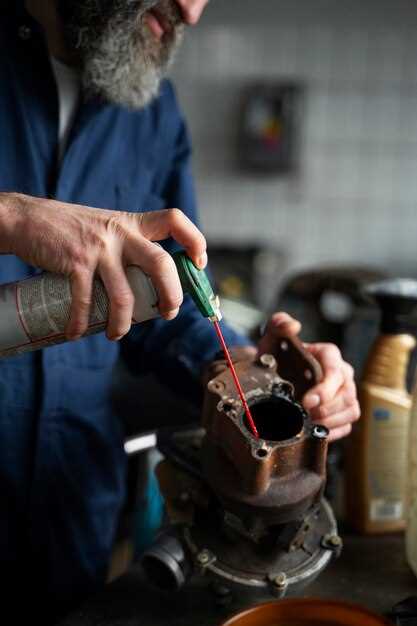
When it comes to building a budget-friendly café racer, engine modifications play a crucial role in enhancing performance without breaking the bank. Prioritizing the right upgrades will allow you to create a powerful motorcycle that stays true to the café racer spirit.
One of the most impactful modifications is the carburetor upgrade. Replacing stock carburetors with performance options can significantly improve throttle response and fuel delivery, resulting in a more lively engine. Look for readily available aftermarket kits that fit your specific model, ensuring compatibility and ease of installation.
Another essential modification is to install a high-performance exhaust system. A lightweight and free-flowing exhaust not only enhances the aesthetic appeal of your motorcycle but also optimizes engine breathability, improving power output. Consider a slip-on exhaust as an economical option that can deliver substantial results.
For those willing to delve deeper, re-gearing your motorcycle can yield impressive acceleration gains. This involves changing the sprockets to alter the final drive ratio. While it’s critical to balance the gearing for both city riding and highway cruising, a slight adjustment can make your café racer much more responsive at lower speeds.
If you’re looking to enhance reliability, investing in a performance ignition system can lead to improved spark efficiency and engine timing. This upgrade often results in smoother operation and better fuel economy, crucial factors for any motorcycle enthusiast.
Finally, don’t overlook the importance of air filters. Upgrading to a performance air filter allows for increased airflow, which complements other modifications. A clean and efficient air intake system is essential for maximizing the performance of your engine enhancements.
By focusing on these key engine modifications, you can significantly enhance your motorcycle’s performance while keeping your café racer budget-friendly. Every upgrade counts in building a motorcycle that reflects your unique style and riding preferences.
Designing a Unique Café Racer Aesthetic on a Budget
Creating a distinctive café racer aesthetic does not have to break the bank. The key lies in focusing on styles that make a statement while remaining economically viable. Start with your motorcycle’s frame; a minimalist design often achieves that iconic café racer look without excessive expense. Consider using a simple, sleek fuel tank and a more upright seat that pays homage to classic café style.
Next, you can enhance the bike’s visual appeal through DIY modifications. For instance, repainting or reupholstering the seat can provide a fresh look without the cost of new parts. Opt for colors that reflect your personal style, whether it’s a matte finish or a vibrant shade. Additionally, custom stickers or decals can add personality without a significant price tag.
Lighting is another crucial aspect of the café racer aesthetic. Instead of expensive LED setups, look for affordable yet stylish headlight and tail light solutions. Vintage or retro-style lights can effectively convey the classic vibe you want while keeping costs low.
Wheels and tires also play a significant role in design. Maintaining stock wheels can save money, but consider powder-coating or painting them to fit your café racer theme better. Elegant tire choices, like semi-slicks, can enhance performance while sticking to your budget.
Lastly, don’t underestimate the power of community resources. Join online forums or local motorcycle clubs where enthusiasts share tips and trade parts affordably. This can help you acquire second-hand components that suit your aesthetic without incurring heavy expenses.
In summary, designing a unique café racer on a budget revolves around smart choices, creative modifications, and leveraging communal resources. With a little ingenuity and effort, you can achieve a stunning motorcycle that embodies the essence of café culture without overspending.


