
In the high-stakes world of motorsport, every component of a race car plays a critical role in achieving peak performance. Among these, the engine cooling systems stand out as essential for ensuring that vehicles maintain optimal operational temperatures during intense racing conditions. A well-designed cooling system is not merely a supplemental feature; it is a vital component that can dictate the outcome of a race.
The engine generates substantial heat during operation, and without an effective method to dissipate this heat, performance can suffer dramatically. Overheating can lead to reduced power output, increased wear on engine components, and, in extreme cases, catastrophic failure. This is where the radiator and associated cooling technologies come into play, ensuring the engine remains within its optimal temperature range and operates efficiently throughout the race.
Understanding the mechanics behind engine cooling systems is crucial for racing enthusiasts and professionals alike. From traditional liquid cooling solutions to advanced air-cooling strategies, the type of system employed can significantly impact not only the performance but also the longevity of the vehicle. In this article, we will explore various cooling system designs, their advantages, and how they contribute to achieving maximum race performance.
Understanding Different Types of Racing Radiators
In the realm of motorsport, maintaining optimal engine temperature is crucial for enhancing performance and ensuring reliability. The choice of a racing radiator directly impacts the engine’s cooling efficiency. Various types of racing radiators are designed to meet specific cooling requirements, depending on the racing conditions and engine configurations.
Aluminum Radiators are among the most popular choices in the racing community. They are lightweight, which benefits overall vehicle performance, and they offer excellent thermal conductivity. Aluminum radiators enable efficient cooling, ensuring that the engine operates within the desired temperature range, especially during intense racing conditions.
Multi-core Radiators feature multiple rows of cooling tubes that increase the surface area available for heat exchange. This design allows for improved cooling capacity and is particularly useful in high horsepower applications. The increased volume of coolant circulating through the radiator results in better heat dissipation, making these radiators ideal for endurance racing.
Single Pass vs. Dual Pass Radiators illustrate another key distinction in radiator design. A single pass radiator allows the coolant to flow through the core in one direction, while a dual pass radiator directs the coolant to flow through the core twice before exiting. Dual pass radiators typically provide superior cooling performance due to the extended exposure time to the cooling fins, making them a favored option for high-performance setups.
Crossflow Radiators enable coolant to flow horizontally across the radiator, offering consistent cooling regardless of the vehicle’s orientation. This design minimizes the buildup of hot spots, ensuring even temperature distribution. Crossflow radiators are particularly effective in applications with limited front space, where airflow is crucial for maintaining engine cooling.
Custom Radiators can also be tailored to meet specific racing needs. These radiators can be designed with unique dimensions and core configurations based on the vehicle’s engine specifications and racing environment. Custom solutions often provide the best cooling efficiency for specialized applications, ranging from drag racing to rallying.
Understanding the various types of racing radiators is essential for any racing team or enthusiast. The right choice not only contributes to optimal engine cooling but also enhances overall race performance. Careful consideration of engine requirements and racing conditions will ultimately dictate the most effective radiator type for a given application.
Impact of Ambient Temperature on Engine Cooling
The performance of a racing engine is heavily influenced by the ambient temperature during a race. When temperatures rise, the effectiveness of the engine’s cooling system, particularly the radiator, can be impacted significantly. A key function of the radiator is to dissipate heat generated by the engine, and higher ambient temperatures decrease the disparity between the coolant temperature and the surrounding air. This can reduce the radiator’s ability to cool the coolant efficiently.
As the ambient temperature increases, the thermal load on the engine also rises. Racing engines are designed to operate within a specific temperature range for optimal performance. If the ambient conditions push the engine beyond this range, overheating can occur, leading to detrimental effects on engine performance and longevity. For instance, oil viscosity decreases at higher temperatures, which affects lubrication and may result in increased friction and engine wear.
Furthermore, the cooling system’s design plays a crucial role in managing the effects of high ambient temperatures. Advanced racing radiators are often designed with larger surface areas and more efficient airflow patterns. These designs help mitigate the temperature rise, but their effectiveness can still be compromised if the outside temperature is excessively high. Teams often monitor engine temperatures and adjust strategies based on the environmental conditions to maintain optimal performance throughout a race.
In summary, the impact of ambient temperature on engine cooling is critical in racing scenarios. Understanding the relationship between engine heat, radiator efficiency, and ambient conditions is essential for maintaining competitive performance. Proper cooling management ensures that engines operate within safe temperature limits, thereby maximizing both power output and reliability on the track.
Choosing the Right Coolant for Your Racing Engine
Selecting the appropriate coolant for your racing engine is crucial for maintaining optimal performance and longevity. The right coolant not only regulates the engine’s temperature but also plays a significant role in preventing overheating during intense racing scenarios.
Understanding Coolant Types
There are several types of coolants available, including ethylene glycol-based and propylene glycol-based options. Ethylene glycol is more commonly used in racing due to its effective heat transfer properties and boiling point elevation. However, propylene glycol is safer for the environment, making it a preferred choice for some teams.
Boiling and Freezing Points
Consider the boiling and freezing points of the coolant. A high boiling point is essential to prevent vaporization under extreme racing conditions. Similarly, an adequately low freezing point ensures that the coolant remains effective in various weather conditions. This attribute is particularly important for racers competing in regions with fluctuating temperatures.
Corrosion Inhibition
Modern racing engines often feature aluminum components, which can be susceptible to corrosion. Therefore, selecting a coolant with effective corrosion inhibitors is vital. These additives protect the radiator and engine surfaces, ensuring that the cooling system remains efficient and reliable throughout the racing season.
Distilled Water vs. Coolant Mixtures
Using a mixture of distilled water and coolant can enhance cooling efficiency. Distilled water has excellent thermal conductivity, facilitating better heat transfer. Combining it with coolant improves the overall performance of the cooling system while lowering the risk of overheating. A typical mixture ratio is 70% water to 30% coolant, but this can vary based on specific track conditions and engine requirements.
Manufacturer Recommendations
Always refer to your engine and radiator manufacturer’s specifications when selecting a coolant. They often provide essential insights into the most compatible products that will maximize performance while ensuring the integrity of the cooling system.
In conclusion, choosing the right coolant is not merely about filling the radiator; it encompasses understanding the properties, compatibility, and specific needs of your racing engine. A well-informed decision can lead to enhanced performance, reliability, and a competitive edge on the track.
Optimizing Airflow for Maximum Radiator Efficiency

Achieving optimal engine cooling is critical in racing, where every degree of temperature can influence performance. Effective airflow to the radiator plays a vital role in dissipating heat generated by the engine during intense racing conditions. To enhance radiator efficiency, several strategies can be employed.
First, the positioning of the radiator should be considered. It must be placed in a location that maximizes exposure to incoming airflow while avoiding obstructions. This often means positioning the radiator at the front of the vehicle where it can take advantage of the car’s forward motion. Additionally, ensuring that the grille openings are appropriately sized allows for sufficient air to enter while minimizing turbulence.
Furthermore, optimizing the shape and design of the ducting that directs air towards the radiator can significantly improve cooling. Smooth, aerodynamic ducting reduces drag and allows for a more efficient flow of air. Using materials that can withstand high temperatures is essential to maintain integrity and performance under racing conditions.
Another important factor is the use of fans. High-performance electric or mechanical fans can be employed to enhance airflow during low-speed conditions when the vehicle is not moving fast enough to create adequate natural airflow. Adjustable fan speeds can further optimize cooling based on the engine’s current temperature needs.
Sealing around the radiator also plays a critical role. Proper sealing prevents air from escaping around the sides of the radiator and forces more air through the core, enhancing cooling efficiency. Utilizing air dams and carefully designed front spoilers can help channel additional airflow directly toward the radiator, ensuring that the engine remains at optimal operating temperatures during races.
Lastly, regular maintenance of the cooling system is fundamental. Ensuring that the radiator is clean, free from debris, and that coolant levels are adequate can drastically affect performance. Maintaining proper engine cooling not only optimizes the racing experience but also extends the lifespan of engine components.
Common Cooling System Upgrades for Race Cars
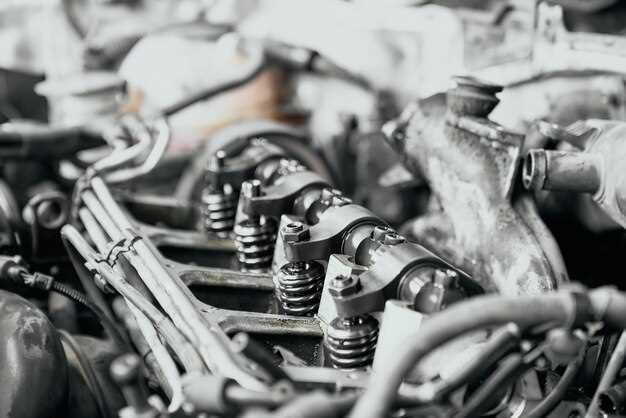
Enhancing the cooling system in race cars is crucial for maintaining optimal engine performance under high-stress conditions. Here are some of the most common upgrades that can significantly improve cooling efficiency:
| Upgrade | Description | Benefits |
|---|---|---|
| High-Performance Radiators | Upgrading to a larger, more efficient radiator increases the cooling surface area and fluid capacity, allowing for better heat dissipation. | Improved cooling efficiency and reduced engine temperatures during races. |
| Enhanced Water Pumps | High-flow water pumps facilitate better circulation of coolant, ensuring more consistent engine temperatures. | Reduces the risk of overheating and maintains optimal engine performance. |
| Cooling Fans | Installing lightweight, high-velocity electric fans provides additional airflow through the radiator, enhancing cooling capability. | Increased cooling performance, especially during low-speed situations or idling. |
| Thermostats | Upgrading to a performance thermostat can allow for better control of engine temperatures by opening at a lower temperature. | Prevents engine overheating and allows optimum temperature for performance. |
| Cylinder Head Gaskets | Using upgraded gaskets can help with thermal regulation, ensuring that heat is efficiently managed within the engine. | Minimized risk of head warping and enhanced durability. |
By implementing these cooling system upgrades, race teams can ensure that their engines operate at peak performance, reducing the possibility of overheating and mechanical failures during critical events.
Monitoring Engine Temperature During Races
Effective monitoring of engine temperature is crucial for maintaining optimal performance during racing. Overheating can lead to severe engine damage, loss of power, and ultimately a failed race. Therefore, understanding the various methods and technologies available for monitoring engine temperature is essential for any racing team.
The following points outline key aspects of monitoring engine temperature:
- Importance of Temperature Management:
- Prevents overheating.
- Ensures engine performs at peak efficiency.
- Extends engine lifespan.
- Monitoring Tools:
- Temperature Sensors: Used to provide real-time data on engine temperature.
- Dataloggers: Store temperature data for later analysis and performance review.
- Dashboard Displays: Allow drivers to monitor engine temperature at a glance.
- Key Areas to Monitor:
- Coolant temperature.
- Oil temperature.
- Intake air temperature.
- Adjusting Cooling Systems:
- Optimize radiator size and design.
- Utilize high-performance coolants.
- Consider auxiliary cooling systems if necessary.
Incorporating a robust engine temperature monitoring strategy helps racing teams maintain the balance between speed and reliability. Proactive measures can help address potential issues before they escalate, enabling a competitive edge on the track.


