

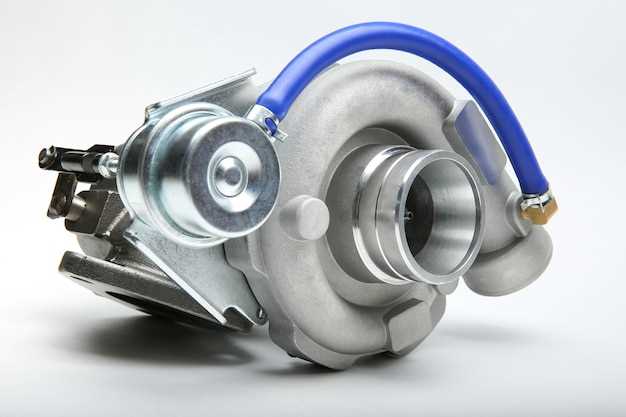
The turbocharger is a vital component in enhancing the performance of modern engines. Proper maintenance of this system is crucial for ensuring optimal operation and longevity. Understanding how to effectively control various aspects of turbocharger maintenance can significantly improve both performance and reliability.
One important factor to consider is the quality of the engine oil used. Turbochargers operate at high temperatures and speeds, making it essential to use oil that can withstand these conditions. Regularly checking and changing the oil will not only keep the turbo system clean but also promote effective lubrication, which is vital for maintaining the control of the turbocharger’s performance.
In addition to oil maintenance, monitoring boost levels, and ensuring the intake and exhaust systems are free of leaks can further enhance the efficiency of your turbocharger. By adhering to a diligent maintenance routine, you can prevent common issues and extend the lifespan of your turbo system, ensuring that every drive is as powerful and efficient as possible.
Regular Oil Change for Turbocharger Health
Maintaining the health of your turbocharger is crucial for maximizing performance and ensuring longevity. One of the key aspects of this maintenance is regular oil changes. Proper lubrication directly impacts the turbocharger’s ability to generate boost and maintain control over engine performance.
Here are some important reasons why regular oil changes are essential for turbocharger health:
- Prevention of Oil Degradation: Over time, engine oil can break down due to high temperatures and stress. Regular oil changes help to remove contaminants and degraded oil, ensuring optimal lubrication for the turbocharger.
- Reduction of Sludge Build-Up: Clogged oil passages can lead to reduced oil flow, which affects the turbocharger’s ability to operate efficiently. Changing the oil regularly minimizes sludge build-up, promoting better oil circulation.
- Enhanced Cooling Properties: Fresh oil provides better cooling for the turbocharger’s components. This is particularly important during high-performance driving, where temperatures can rise rapidly.
- Improved Engine Performance: Clean oil optimizes the overall performance of the engine and turbocharger, ensuring that you maintain the desired boost levels and control.
- Extended Component Life: By changing the oil at regular intervals, you can prolong the life of both the turbocharger and the engine, reducing the likelihood of costly repairs or replacements.
To maximize the benefits of regular oil changes, follow these guidelines:
- Choose High-Quality Oil: Use oil that meets or exceeds manufacturer specifications. Synthetic oils are often recommended for their superior performance and stability.
- Check Oil Levels Regularly: Make it a habit to monitor your oil levels between changes. Low oil levels can lead to inadequate lubrication, affecting turbocharger performance.
- Stick to a Maintenance Schedule: Follow the recommended oil change intervals in your owner’s manual. For turbocharged engines, consider changing the oil more frequently if you drive under severe conditions.
In summary, regular oil changes are a vital aspect of turbocharger maintenance. By ensuring proper lubrication, you enhance boost production and maintain control over your engine’s performance, ultimately leading to a more reliable and enjoyable driving experience.
Monitoring Boost Pressure for Optimal Performance

Maintaining the correct boost pressure is crucial for the optimal performance of your turbocharged engine. Boost pressure refers to the amount of air forced into the engine by the turbocharger, allowing it to generate more power. Regularly monitoring this pressure can prevent potential issues and improve the overall efficiency of your turbo system.
To control boost pressure effectively, install a boost gauge in your vehicle. This tool provides real-time data on boost levels, enabling you to identify any fluctuations or abnormalities. Consistently checking boost pressure ensures that your turbocharger operates within manufacturer specifications, minimizing the risk of engine damage.
Keep in mind that excessive boost pressure can lead to detonation, while low pressure may result in reduced performance. Fine-tuning the boost levels can optimize throttle response and improve acceleration. By regularly monitoring and adjusting the boost pressure, you can achieve a balance that provides maximum power while maintaining engine safety.
In addition to using a boost gauge, make sure to inspect related components, such as wastegates and intercoolers. These parts play an essential role in controlling boost pressure and should be in excellent working condition. Addressing any signs of wear or malfunction can further enhance the performance of your turbo system.
In summary, proactive monitoring and control of boost pressure are vital for harnessing the full potential of your turbocharger. This diligence not only enhances performance but also prolongs the life of your engine, ensuring a smoother and more enjoyable driving experience.
Inspecting and Cleaning the Intercooler
The intercooler plays a crucial role in the turbocharging system, as it cools the compressed air before it enters the engine. Regular inspection and cleaning of the intercooler are essential for maintaining optimal performance and ensuring efficient turbo operation. Neglecting this component can lead to increased temperatures and decreased engine efficiency.
Start by visually inspecting the intercooler for any signs of damage, such as cracks or leaks. A damaged intercooler can lead to a loss of boost pressure, resulting in poor engine performance. Check the connections and hoses for any signs of wear or cracking, as these can also contribute to air leaks.
Cleaning the intercooler is vital to remove built-up grime, oil, and debris that can restrict airflow. Begin by removing the intercooler from the vehicle, making sure to follow the manufacturer’s guidelines for disassembly. Use a gentle cleaning solution specifically designed for intercoolers, and a soft brush to carefully scrub the surface. Pay special attention to the fins, as they can easily accumulate dirt that impairs cooling efficiency.
After cleaning, thoroughly rinse the intercooler to remove any residual cleaning solution and allow it to dry completely. Once dry, reinstall the intercooler and ensure all connections are secure to maintain proper airflow and boost control. Regular checks, ideally every 15,000 miles or during routine maintenance, will help keep your turbo system running smoothly and prolong the life of your engine.
Evaluating Turbocharger Wastegate Functionality
The wastegate is a critical component of a turbocharger system as it controls the boost pressure generated by the turbo. Understanding its functionality is essential for maintaining optimal performance and longevity of your turbo system. A malfunctioning wastegate can lead to excessive boost, resulting in engine damage or inadequate boost, leading to poor performance.
To evaluate the wastegate functionality, start by checking for any physical damage or signs of wear. Inspect the actuator, diaphragm, and linkage for any cracks or corrosion. Additionally, ensure that the wastegate is not stuck in the closed position, which can cause boost pressure to rise uncontrollably.
Next, test the wastegate’s operation with a boost gauge. Monitoring the boost levels while driving will help you determine if the wastegate is controlling the boost correctly. At lower RPMs, the wastegate should remain closed to maximize boost, while opening at higher RPMs to prevent over-boosting. If boost levels exceed the manufacturer’s specifications or fluctuate significantly, further investigation is required.
Another important aspect is checking the actuator’s pressure signal. Connect a vacuum pump to the wastegate actuator and apply pressure to see if the wastegate opens at the specified boost pressure. If the wastegate does not open at the correct pressure, it may need recalibration or replacement.
Regular evaluation of the wastegate’s functionality ensures that your turbocharger system maintains proper boost control, enhancing overall vehicle performance and preventing potential engine issues. Regular maintenance checks can save you from costly repairs down the line.
Keeping Air Filters Clean for Better Airflow
Maintaining clean air filters is essential for optimal turbocharger performance. A clean filter ensures that the engine receives adequate airflow, which is vital for the efficient operation of the turbo system. Blocked or dirty filters can restrict airflow, leading to reduced engine performance and turbo lag.
Regular cleaning and replacement of air filters can control the amount of debris entering the engine, thereby enhancing the turbo’s ability to generate boost. Neglecting this maintenance task can result in a decrease in horsepower and throttle response, as well as potential long-term damage to the turbo components.
Here are essential tips for ensuring your air filters remain clean and effective:
| Action | Frequency | Benefits |
|---|---|---|
| Inspect air filter | Every 5,000 miles | Identifies dirt accumulation before performance is affected |
| Clean reusable filters | Every 10,000 miles | Maintains airflow and turbo efficiency |
| Replace disposable filters | Every 15,000 miles | Ensures optimal filtration and airflow |
| Check installation | During each oil change | Prevents air leaks that can impact boost and performance |
By prioritizing air filter maintenance, you can enhance your turbo system’s efficiency, ensuring that you achieve maximum boost and a responsive driving experience. Keep in mind that clean air filters contribute significantly to the longevity of your turbocharger and overall engine health.
Signs of Turbocharger Failure and When to Act
Turbochargers are vital components in many vehicles, enhancing engine performance by forcing more air into the combustion chamber. However, like all mechanical systems, they require diligent maintenance and timely intervention if issues arise. Understanding the signs of turbocharger failure can help you maintain control over your vehicle’s performance and prevent more significant problems.
One of the first indicators of a failing turbocharger is a noticeable decrease in power. If your vehicle struggles to accelerate or feels sluggish during operation, the turbocharger may not be generating sufficient boost pressure. Monitoring your vehicle’s performance regularly allows for early detection of these issues.
Another crucial sign to watch for is the presence of unusual noises. A failing turbocharger can produce whining, grinding, or rattling sounds, which may indicate internal damage or excessive wear. Addressing these sounds promptly can prevent catastrophic failure and costly repairs.
Excessive exhaust smoke is also a clear indication of turbocharger problems. If you notice blue or black smoke from the exhaust, it may suggest oil contamination or burnt oil leaking into the exhaust stream, a sign that the turbo’s seals are compromised. Ignoring this symptom can lead to extensive engine damage, necessitating immediate action.
Additionally, frequent check engine lights can be a red flag for turbocharger issues. Many modern vehicles are equipped with sensors that detect irregularities within the turbo system. If the check engine light activates, it is essential to perform diagnostic checks to determine if the turbocharger is at fault, ensuring no further engine damage occurs.
Finally, increased oil consumption can also point to turbocharger failure. If you find yourself topping off oil more frequently, this could indicate that oil is leaking into the turbocharger or being consumed during combustion. Regular maintenance and thorough inspections can help identify and rectify these issues before they escalate.
In summary, maintaining control over your turbocharger’s performance hinges on recognizing these signs of failure early. Acting quickly upon noticing any of these symptoms allows for the necessary maintenance to be conducted, ensuring your vehicle remains in optimal condition.


