
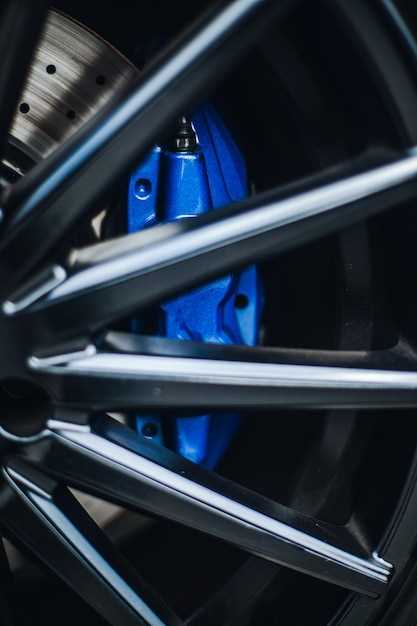
Upgrading a vehicle can significantly enhance its performance, aesthetics, and overall driving experience. However, these modifications often lead to unintended consequences, particularly in the drivetrain system. One of the most common issues that arise post-upgrade is drivetrain vibrations, which can manifest as uncomfortable shaking or rattling when the vehicle is in motion. Understanding the relationship between driveshaft balance and these vibrations is essential for ensuring a smooth and enjoyable ride.
The driveshaft plays a critical role in a vehicle’s drivetrain, transferring power from the engine to the wheels. Any changes made to this component during upgrades, such as installing a higher performance driveshaft or altering suspension settings, can disrupt its balance. When the driveshaft is not properly balanced, it can lead to excessive vibrations that not only compromise driving comfort but also pose risks to the longevity of other drivetrain components.
To prevent drivetrain vibrations after vehicle upgrades, it’s important to prioritize proper installation and maintenance of the driveshaft. This includes ensuring that all connections are secure, alignment is correct, and that the driveshaft is dynamically balanced. By taking these proactive measures, vehicle owners can enjoy their upgrades without the disruptive side effects of drivetrain vibrations, ultimately leading to a better driving experience.
Choosing the Right U-Joint for Your Upgrade

Selecting the appropriate u-joint is crucial when upgrading your vehicle’s driveshaft. The right choice can significantly impact performance, reliability, and overall driving experience. Understanding key specifications and features of u-joints can help you make an informed decision.
Firstly, consider the size and dimension of the u-joint. U-joints come in various sizes, and matching the correct dimensions to your vehicle’s driveshaft is essential for optimal fit and functionality. Consult your vehicle’s specifications or a reliable catalog to find the correct measurements.
Secondly, pay attention to the material and construction quality. U-joints are commonly made from steel or aluminum, with options such as greasable or non-greasable designs. Greasable u-joints typically offer better longevity, as they can be maintained easily to prevent wear and tear.
The type of joints is another factor. Regular, heavy-duty, and racing u-joints are available to match specific applications. Heavy-duty options are ideal for performance upgrades or vehicles used in demanding conditions, while standard u-joints may suffice for regular driving.
Finally, look for u-joints that come with reliable warranties or guarantees. This not only reflects the manufacturer’s confidence in their product but also offers peace of mind in case of potential failures.
By carefully considering the size, material, type, and warranty of the u-joint, you can ensure that your vehicles’ driveshaft performs optimally, minimizing vibrations and enhancing driving comfort post-upgrade.
Signs of U-Joint Wear and When to Replace
The universal joint (u-joint) is a crucial component in the drivetrain, ensuring the balance between the driveshaft and the axle. Over time, u-joints can experience wear, leading to various symptoms that indicate when replacement is necessary. Recognizing these signs early can prevent further damage and ensure a smoother ride.
- Excessive Vibrations: A primary indicator of u-joint wear is increased vibrations during acceleration. If you notice unusual shaking, especially at specific speeds, it may be due to an unbalanced driveshaft caused by worn u-joints.
- Clunking Noises: If you hear clunking or banging noises when shifting gears or accelerating, this can signal that the u-joint is failing. The noise originates from the joint’s inability to maintain proper alignment.
- Grease Leakage: U-joints are often greased to maintain function. If you observe grease leakage around the joint, it indicates that the seals are worn out and may compromise the u-joint’s integrity.
- Play in the Joint: A simple test involves checking for excess play in the u-joint. If you can move the joint up and down or side to side easily, it’s time for replacement.
- Visual Wear: Regular inspection can reveal signs of wear like rust, pitting, or cracks in the u-joint body. Any visible damage suggests the u-joint needs to be replaced to prevent drivetrain failure.
It is vital to replace u-joints at the first sign of wear. Neglecting this can lead to more severe issues, including driveshaft failure, which could incur higher repair costs. Regular maintenance checks, especially after any vehicle upgrades, are essential to maintaining drivetrain balance and avoiding vibrations.
Steps to Properly Balance Your Driveshaft
Balancing your driveshaft is crucial for maintaining a smooth and vibration-free driving experience after vehicle upgrades. Follow these steps to ensure your driveshaft is correctly balanced:
-
Inspect the U-Joint:
Before balancing, check the universal joint (u-joint) for any signs of wear or damage. A faulty u-joint can cause vibrations and should be replaced if necessary.
-
Clean the Driveshaft:
Remove any dirt, grease, or corrosion from the driveshaft. A clean surface allows for a better assessment of balance.
-
Check Driveshaft Alignment:
Ensure that the driveshaft is properly aligned with the vehicle’s differential and transmission. Misalignment can lead to vibration issues.
-
Use a Balancer:
Utilize a driveshaft balancer to identify any imbalances in the shaft. Follow the manufacturer’s instructions to achieve accurate results.
-
Add Weights as Needed:
If imbalances are detected, small weights can be added to the appropriate locations on the driveshaft. The amount of weight will depend on the specific balance requirements.
-
Retest for Balance:
After adding weights, retest the driveshaft to confirm that it is now balanced. This may need to be repeated until satisfactory results are achieved.
-
Final Installation:
Once balanced, re-install the driveshaft in the vehicle, ensuring that all fasteners are tightened to the manufacturer’s specifications.
By carefully following these steps, you can properly balance your driveshaft and minimize drivetrain vibrations, ensuring a smoother ride after any modifications to your vehicle.
Common Causes of Drivetrain Vibrations Post-Upgrade
One of the most frequent causes of drivetrain vibrations following vehicle upgrades is improper balance of the driveshaft. Any alterations to the drivetrain, such as replacing the driveshaft with a heavier or longer version, can disrupt the original setup. This imbalance can lead to excessive vibrations, especially at higher speeds, and can result in premature wear of components.
Another significant factor is the compatibility of upgraded parts with existing drivetrain components. Installing a new differential or transmission without ensuring proper alignment and fit can cause misalignment issues. These misalignments affect how power is transmitted through the drivetrain, leading to vibrations that can be felt throughout the vehicle.
Additionally, worn or damaged bushings and mounts can exacerbate vibrations following upgrades. Replacing or upgrading parts without addressing degraded bushings may fail to provide the necessary support, resulting in increased movement and vibrations in the drivetrain.
Finally, installation errors during the upgrade process can contribute to drivetrain vibrations. Incorrect torque specifications on bolts or improper routing of the driveshaft can create stress points, leading to unwanted vibrations. Ensuring that all components are installed correctly and torqued to manufacturer specifications is essential to minimize these issues.
Impact of Suspension Modifications on Drivetrain Alignment
When upgrading a vehicle’s suspension system, one crucial aspect to consider is how these modifications affect drivetrain alignment. Suspension components, including springs, shocks, and control arms, play a significant role in maintaining the overall geometry of the vehicle. Alterations to these components can lead to misalignment of the driveshaft, resulting in vibrations and potential damage to the drivetrain.
One of the primary impacts of suspension modifications is the change in the ride height of the vehicle. Lowering or lifting a vehicle can alter the angle of the driveshaft, which is designed to operate optimally at specific angles. If the driveshaft is misaligned due to changes in suspension height, it can cause imbalance, leading to vibrations during acceleration or at higher speeds.
Additionally, modifications that change the suspension’s geometry, such as adding performance control arms or adjustable linkages, can further complicate the alignment of the drivetrain. These changes can result in altered pinion angles; a critical factor that affects how the driveshaft connects to the rear differential. If these angles are not corrected after suspension upgrades, they can lead to uneven wear and tear on drivetrain components.
To mitigate these risks, it is essential to perform proper alignment checks after any suspension modification. This includes measuring the angles of the driveshaft and ensuring they remain within the manufacturer’s specifications. Utilizing adjustable components can also help fine-tune these angles to restore balance to the system.
In conclusion, while suspension modifications can improve handling and performance, their impact on drivetrain alignment must not be overlooked. Regular maintenance and alignment checks will help prevent vibrations and ensure the longevity of drivetrain components, ultimately contributing to a smoother driving experience.
Testing and Diagnosing Vibration Issues After Installation
After upgrading your vehicle’s drivetrain, it is crucial to test and diagnose any vibrations that may arise. Vibration issues can result from several factors, including improper balance and faulty u-joints. Identifying the source of the vibrations immediately can save you time and money in the long run.
To begin with, a thorough inspection should be conducted. Start with visual checks, then proceed to more technical diagnostics. The following table outlines key steps in the testing and diagnosing process:
| Step | Description |
|---|---|
| 1. Visual Inspection | Check for any loose or damaged components in the drivetrain, including the driveshaft and u-joints. Look for signs of wear that may lead to vibration. |
| 2. Wheel Balance Check | Ensure that the wheels are properly balanced. Unbalanced wheels can directly contribute to vibration, especially at higher speeds. |
| 3. U-Joint Examination | Inspect the u-joints for signs of damage or excessive play. Worn u-joints can cause misalignment and vibrations during operation. |
| 4. Road Test | Take the vehicle for a test drive under various conditions. Pay attention to when the vibrations occur (e.g., during acceleration, deceleration, or cruising). |
| 5. Use of Diagnostic Tools | Utilize diagnostic equipment, such as vibration analyzers, to measure the frequency and amplitude of the vibrations. This data can help pinpoint the root cause. |
After following these steps, analyze the results to determine if further adjustments or repairs are necessary. Properly diagnosing and addressing vibration issues can significantly enhance your vehicle’s performance post-upgrade.


