

When it comes to off-road adventures, ensuring your Jeep is equipped with the right gear is crucial for a successful and safe experience. One of the most essential tools for any off-roading enthusiast is a high-quality winch. A reliable winch not only provides the ability to recover your vehicle from tricky situations but also offers peace of mind while navigating challenging terrains.
The right winch can make all the difference during a recovery operation, transforming a potentially frustrating scenario into a seamless recovery experience. With a variety of options available on the market, selecting the best winch for your Jeep can be overwhelming. In this article, we will explore the top 5 winches that cater to off-road adventures, focusing on key features such as power, durability, and overall performance.
From synthetic ropes to heavy-duty steel cables, the technology behind winches has evolved significantly, ensuring that off-road drivers have the support they need. Each winch on our list has been evaluated based on its recovery capabilities, ease of installation, and user reviews, ensuring that you can embark on your next Jeep adventure confidently.
Choosing the Right Winch Capacity for Your Jeep
When selecting a winch for your off-road Jeep, capacity is one of the most critical factors to consider. The winch capacity refers to the maximum weight the winch can handle, which is essential for successful recovery operations. An incorrectly rated winch can lead to equipment failure, potentially putting you and your vehicle at risk during a recovery situation.
A common rule of thumb is to choose a winch with a pulling capacity that is at least 1.5 times the weight of your Jeep. For example, if your Jeep weighs 4,000 pounds, you should look for a winch with a capacity of at least 6,000 pounds. This additional capacity provides a safety margin and accounts for other variables encountered during recovery, such as mud, incline, or vehicle accessories that can add extra weight.
It’s also vital to consider the type of terrain you will be tackling. If your off-road adventures primarily involve steep inclines or heavy mud, a greater winch capacity will offer added assurance in those challenging conditions. The right gear ensures that you can effectively and safely recover your Jeep without the risk of straining the winch beyond its limits.
Additionally, pay attention to the winch’s specifications and ensure that it aligns with the types of recovery situations you might face. Electric winches are popular for their ease of use and powerful recovery capabilities, but they also require proper wiring and battery capacity in your Jeep. On the other hand, hydraulic winches may offer consistent pulling power but can be more complex to install and require modifications to your vehicle.
Ultimately, investing in a high-quality winch with the appropriate capacity will enhance your off-road experiences and provide peace of mind during recoveries. Prioritize your needs, evaluate your Jeep’s weight, and choose a winch that can handle the challenges you might encounter on the trail.
Top Features to Look for in Off-Road Winches
When selecting a winch for off-road adventures with your Jeep, consider the following essential features that will enhance recovery capabilities and gear efficiency:
- Weight Capacity: Choose a winch with a pulling capacity at least 1.5 times the weight of your vehicle. For most Jeeps, this typically means selecting a winch with a capacity of 8,000 to 12,000 pounds.
- Power Source: Electric winches are popular for their ease of use and installation. However, hydraulic winches offer consistent pulling power and can operate longer without overheating. Consider your setup and preferences when choosing the power source.
- Drum Material: The winch drum material greatly affects durability and performance. Select a winch with a durable steel or synthetic drum, as these materials provide better resistance to wear and tear during recovery operations.
- Gear Type: A winch’s gear system impacts its efficiency and speed. Planetary gear systems are common and allow for quick retrieval and smooth operation. High gear ratio options can provide faster line speeds, important when you need to recover quickly.
- Wireless Control: Modern winches often come with wireless remote controls, which enhance safety and convenience. This feature allows you to operate the winch from a safe distance, preventing potential injuries during recovery.
By focusing on these key features, you can ensure that you choose a winch that will meet your off-road recovery needs and enhance your overall experience on the trails.
Comparing Electric vs. Manual Winches for Jeep Recovery
When it comes to off-road adventures, having a reliable winch for Jeep recovery is essential. Two main types of winches dominate the market: electric and manual. Each type has its own advantages and drawbacks, which can significantly impact your recovery procedures.
Electric winches are powered by the vehicle’s battery, making them easy to operate with the push of a button. This convenience is a key factor for many Jeep enthusiasts. With electric winches, you can expect fast recovery times and the ability to pull heavy loads without much physical effort. Many models also come equipped with features like wireless remotes, increasing the ease of use during a recovery situation.
However, electric winches rely on battery power. If your Jeep is deep in mud or water, the battery may drain quickly, limiting the winch’s performance. Additionally, electrical components can be susceptible to damage in harsh environments. Regular maintenance is crucial to keep the winch functioning optimally.
On the other hand, manual winches operate through a hand-cranking mechanism. This design has the advantage of being less dependent on electrical power, making them a reliable option during emergencies. Manual winches are often lighter and less expensive than their electric counterparts. In extreme situations, they can also offer slower, more controlled pulls, reducing the risk of sudden jerks that might damage your Jeep or the recovery point.
However, the physical labor required for manual winches can be a significant disadvantage. Cranking a winch can be exhausting, especially under adverse weather conditions or if the Jeep is heavily stuck. The process can also be slower compared to electric winches, making them less suitable for urgent recovery needs.
In summary, choosing between electric and manual winches for Jeep recovery depends on your specific needs and preferences. If you prioritize ease of use and speed, an electric winch may be the better choice. Alternatively, if you want a durable, lightweight option that doesn’t rely on your vehicle’s battery, a manual winch could be the way to go. Assessing your off-road environment and recovery scenarios will help you make an informed decision.
Installation Tips for Your Jeep Winch System
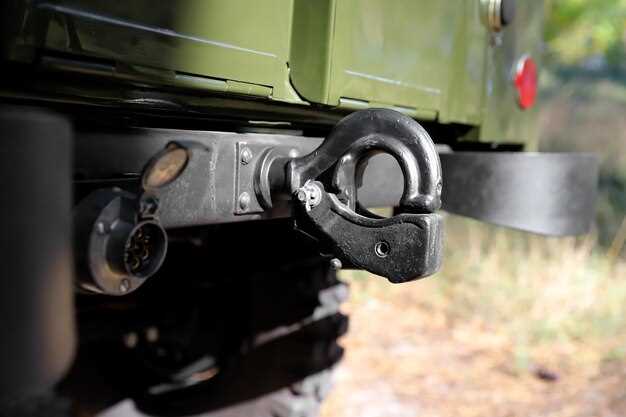
Installing a winch on your Jeep can significantly enhance your off-road recovery capabilities. Here are some essential tips to ensure a successful setup.
Before you start, gather all necessary tools and gear. A complete installation requires basic hand tools, a wiring harness, and safety equipment. Make sure to read the manufacturer’s instructions specific to your winch model for any additional requirements.
1. Select the Right Mounting Location: Choose a mounting spot that offers easy access while maintaining a clear line of sight for operation. The front bumper is the most common location, but ensure it is compatible with your winch size and weight.
2. Secure the Winch: Use grade 8 bolts to mount your winch to the bracket. This prevents any movement during recovery operations and keeps your Jeep stable. Apply blue thread locker to the bolts for added security.
3. Wiring Simplification: Route the wiring harness carefully. Avoid moving parts and extreme heat sources. Use protective sleeves to shield the wiring from abrasion. Ensure the connections are tight and insulated to prevent short circuits.
4. Battery Consideration: Ensure your Jeep’s battery is capable of handling the winch’s power requirements. It’s often advisable to upgrade to a higher capacity battery or install a secondary battery to avoid draining the primary battery during operation.
5. Test the System: Before heading out on your adventure, test the winch to ensure it operates smoothly. Load it with a light weight to check both the motor and the remote control. This crucial step can help you identify any issues before an emergency situation arises.
| Tip | Description |
|---|---|
| Select the Right Mounting Location | Pick a spot that allows easy access and visibility. |
| Secure the Winch | Use reliable bolts to prevent movement during use. |
| Wiring Simplification | Carefully route the wiring and protect against abrasion. |
| Battery Consideration | Ensure your battery can handle the winch’s power needs. |
| Test the System | Always test your winch before hitting the trails. |
Following these installation tips will prepare your Jeep winch system for any challenging recovery situation you may encounter on your off-road adventures.
Maintenance Practices for Long-lasting Winch Performance
To ensure optimal recovery capabilities during your off-road Jeep adventures, regular maintenance of your winches is essential. Proper care not only extends the life of your equipment but also guarantees safety and reliability in critical situations.
1. Regular Inspection: Conduct routine checks of your winch for any signs of wear or damage. Pay attention to the cable or rope, as fraying can compromise strength. Inspect the mounting hardware to ensure everything remains tight and secure.
2. Cleaning: After each off-road excursion, clean your winch to remove dirt, mud, and debris. Use a soft brush to reach into crevices, and ensure that the motor and electrical components are free from contaminants that could impede performance.
3. Lubrication: Apply lubricant to moving parts such as gears and bearings to reduce friction and wear. Use a lubricant recommended by the winch manufacturer to maintain optimal performance without causing damage.
4. Cable or Rope Maintenance: If your winch uses a steel cable, regularly check for kinks or rust. For synthetic ropes, inspect for cuts or abrasions. Always spool your cable or rope evenly during use, as this prevents tangles and increases longevity.
5. Electrical Checks: Ensure that all electrical connections are tight and free from corrosion. Clean terminals and connectors and replace any worn wires. Proper power supply is crucial for reliable winch operation during recovery missions.
By following these maintenance practices, you can keep your winches in top condition, ready for any challenge that comes during your off-road Jeep adventures. Regular attention to these details will ensure that your recovery equipment is dependable when you need it most.
Testing Your Jeep Winch: Safety and Performance Checks

Before embarking on your off-road adventures, it is crucial to ensure that your winch is functioning correctly and safely. Regular testing helps prevent unexpected failures during recovery situations. Here are some essential safety and performance checks for your winch.
Visual Inspection: Begin by examining your winch and its mounting system for any visible signs of wear or damage. Check the cable or synthetic rope for frays, kinks, or any signs of environmental degradation. Ensure that the gear housing is intact and that all connections are secure.
Load Testing: To assess the winch’s performance under load, conduct a load test. This involves using a rated weight to simulate a recovery scenario. Securely attach the load to the winch and engage it slowly. Monitor how smoothly the winch operates and listen for any unusual noises, indicating potential issues with the gears.
Electrical System Check: Ensure that your winch’s electrical connections are clean and free from corrosion. Test the winch’s remote control and power connections. It’s essential to verify that the winch engages and disengages smoothly and that the motor runs without interruption.
Brake Functionality: Test the winch brake to ensure it holds the load securely when powered off. Activate the winch under load and then stop the power. The load should remain stationary, indicating that the brake is functioning correctly. If it slips, further inspection and potential maintenance are required.
Recovery Gear Compatibility: Make sure your winch is compatible with the recovery gear you plan to use, such as shackles, snatch blocks, or tree savers. This compatibility ensures optimal performance during recovery situations. Check the ratings of all associated gear to match or exceed the winch’s specifications.
Conducting these tests regularly not only enhances your winch’s performance but also improves your safety during off-road excursions. Remember that a well-maintained winch can be a lifesaver in challenging situations.


